Oil and data centre stocks sank after the US midterms produced a clear outcome. Brent crude futures dived nearly 9% overnight.
Why Did Oil and Data Centre Stocks Sink After US Midterms?
Asian data centre companies and their equipment suppliers fell on expectations of tougher regulation. Democratic data-centre opponents, who campaigned partly on construction moratoriums, won stunning victories in Texas and Georgia.
Solar supply chain stocks jumped the most, anticipating Democrats will boost support for renewables.
How Far Has Brent Crude Fallen This Week?
Brent has dropped about 20% so far this week. If sustained through Friday’s close, it would be the largest weekly drop since a week in April 2020, when US crude briefly fell into negative territory.
At US$93.50, oil was testing overnight lows in the Asian morning. Traders bet that US president Donald Trump, facing a Democratic Congress and hurt by high energy prices from the Mideast conflict, would be less likely to escalate the war with Iran.
Trump acknowledged on Wednesday that the war played a role in Republicans’ defeat. JD Vance was blunter on X: “The reason we lost is the war.”
Which Asian Markets Took the Biggest Hit on Data Centre Stocks?
- South Korea KOSPI: down 4%, not far from a seven-month low in morning trade. It is chipmaker-heavy.
- Taiwan benchmark index: down 1.8%.
- Nikkei: down 0.5%, dragged by tech equipment suppliers.
The Asian selloff contrasted with Wall Street. The S&P 500 closed 1.6% higher, and European shares notched a two-month high.
Will the Data Centre Slowdown Last?
Most analysts think the result ultimately won’t dent demand for artificial intelligence, data centres or computer chips. They now expect at least a temporary slowdown.
Chris Weston, head of research at brokerage Pepperstone in Melbourne, said: “The magnitude of the victory is what has caught markets off guard.”
What Do Lower Bond Yields Mean for Bursa Stocks to Monitor?
The yield on the benchmark 10-year US Treasury fell 6 basis points (bps) overnight and by a further 1 bp in early Tokyo trade, to 4.87%. The 2-year yield, which tracks short-term rate expectations, fell about 2 bps to 4.56%.
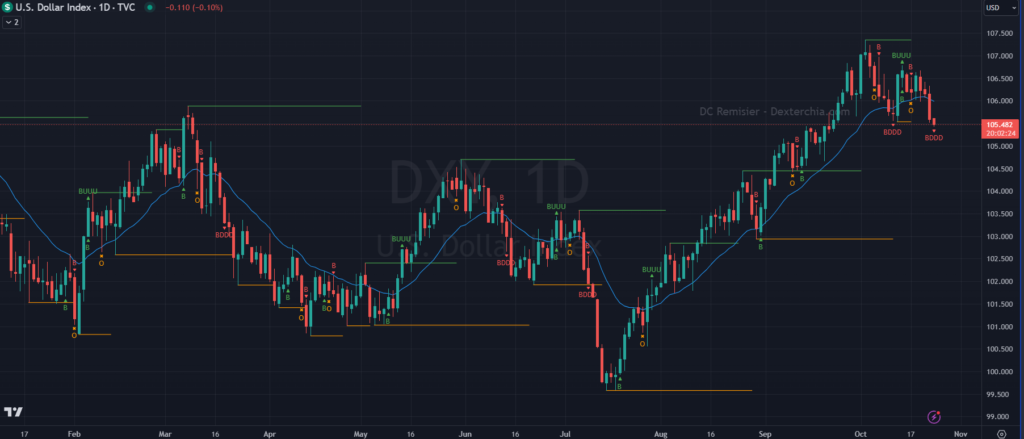
The dollar slipped to a one-month low of US$1.1273 per euro. A resolution could push oil lower still, easing inflation pressure and reducing the likelihood of future interest rate hikes.
Three groups are worth monitoring on Bursa Malaysia:
- Oil-linked counters, which face the Brent slide.
- Data centre and tech equipment names, which face expected tougher regulation.
- Solar counters, which the source says gained most on expected support for renewables.
The source does not name any Bursa-listed company or quote a Malaysian share price move. Use a tool such as AI Stock Analysis for Malaysians to check local figures before drawing conclusions.
Key Takeaways
- Brent fell nearly 9% overnight to below US$100 a barrel and about 20% this week.
- Asian data centre and equipment stocks fell on expected tougher regulation after Texas and Georgia results.
- KOSPI slid 4%, Taiwan’s index fell 1.8%, and the Nikkei fell 0.5%.
- Analysts expect at least a temporary slowdown, not lasting damage to AI demand.
- The 10-year US Treasury yield fell to 4.87%, and the 2-year to 4.56%.
Frequently Asked Questions
Why did oil stocks fall after the US midterms?
Brent crude dropped nearly 9% overnight to below US$100 a barrel. Traders bet that Trump would be less likely to escalate the war with Iran, given a Democratic Congress and high energy prices.
Why are data centre stocks falling in Asia?
Asian data centre companies and equipment suppliers fell on expectations of tougher regulation. Democratic data-centre opponents won in Texas and Georgia, and most analysts still expect demand to hold over the long term.
How far did Brent crude fall this week?
Brent dropped about 20% so far this week. If sustained through Friday’s close, it would be the largest weekly drop since a week in April 2020.
Where did US Treasury yields move after the midterms?
The 10-year US Treasury yield fell to 4.87%, down 6 bps overnight and a further 1 bp in early Tokyo trade. The 2-year yield fell about 2 bps to 4.56%.
Disclaimer: This article is for general information only and is not investment advice. Do your own research and consult a licensed professional before making any investment decision.
Source: View Original Article — The content is based on the original publisher. Refer to the original content for accurate info. Contact us for any changes.
Related Articles & Resources
Disclaimer: This article is for informational purposes only and does not constitute financial advice. Always do your own research before making investment decisions.
Want to invest in Bursa Malaysia or US markets? Contact Dexter Chia, an AI Driven Remisier who has 2,300+ clients at Malacca Securities Sdn Bhd (M+ Global). M+ Global Invitation Code: UBZQ | WhatsApp: +60169059789 | Why Choose Dexter?