Asian stocks ended mixed as AI data centre stocks and regional chipmakers slumped on expectations of tighter tech oversight. Investors were reacting to the prospect of a Democratic-led US Congress tightening rules on AI development and data centre construction.
Why Did Advantest and Tokyo Electron Fall Today?

The worry is a possible slowdown in capital expenditure. Traders bet Democrats will slow the pace of data centre expansion in the US.
– **Advantest** (chip testing equipment) plunged 14.7%.
– **Tokyo Electron** (chip equipment) declined 9.4%.
– The **Nikkei** dropped 1.79% to 61,077.90, while the broader **Topix** settled 1.16% higher at 3,940.39.
How Far Did the Kospi Fall on Chip Selling?
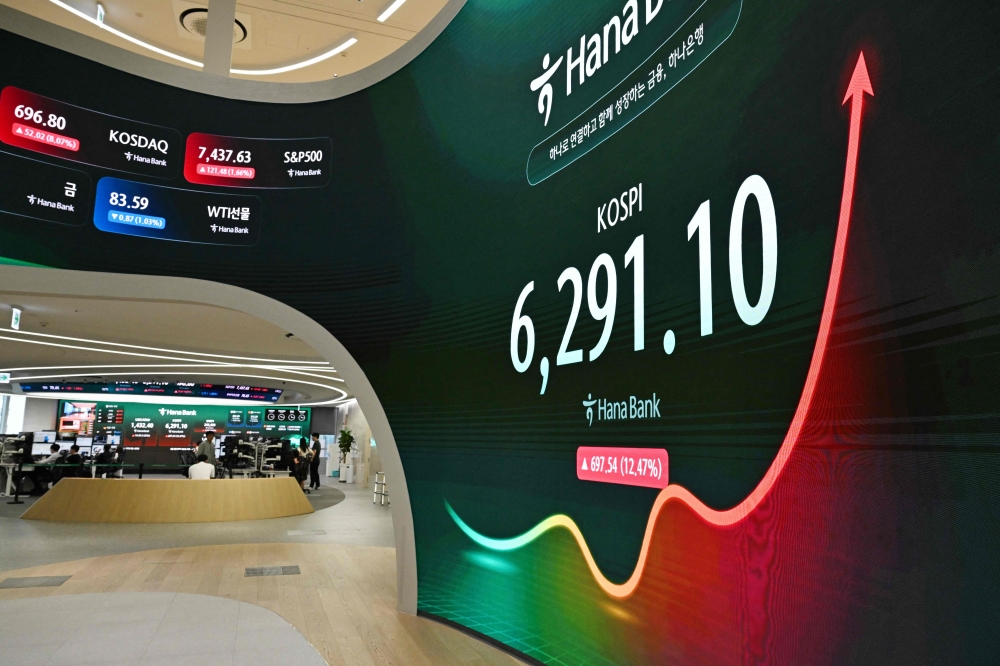
Seoul stocks nosedived as chipmakers plummeted. Concerns centred on tighter US regulation of AI infrastructure curbing data centre investment and weakening semiconductor demand.
The **Kospi** plunged 5.28% to 5,383.80. Foreign investors extended their selling streak to a fifth session.
Which Markets Gained While Tech Slid?
The **Hang Seng** surged 3.67% to 24,796.98, led by **Alibaba** and **Tencent**. In Shanghai, the **Shanghai Composite** edged up 0.1% to 3,689.91, extending a rebound for a second day after top financial regulators announced measures to inject liquidity.
In Australia, the **S&P/ASX 200** surged 2.61% to 9,065.10, hitting a two-month high. The **All Ordinaries** closed 2.8% higher at 9,205.20, with IT, retail, real estate and healthcare stocks leading.
New Zealand’s **S&P/NZX-50** climbed 2.23% to 14,090.97. That was its best single-day gain in nearly 19 months and an all-time high.
How Did Oil and Gold Move on the US-Iran Conflict?
**Brent crude** rose 0.5% to US$95.08 a barrel in Asian trade. The contract had fallen nearly 9% in the previous session, which is about RM384.42 at the US$95 level quoted in the report.
The drop followed Democrats’ sweeping victory in the US midterm elections and diplomatic signals from Washington and Tehran. Those factors helped strip the risk premium out of crude.
**Gold** rose nearly 2% to US$4,125 an ounce. It posted its biggest jump since August on Wednesday as the dollar and Treasury yields slipped.
What Does This Mean for Bursa Malaysia Investors?
The report names no Malaysian stock, so no Bursa stock code is affected directly. Two related Malay Mail headlines from the same news feed point to local conditions. Bank Negara held the OPR at 2.75%, and Bursa Malaysia closed higher on that decision. The **ringgit** extended its gains at the close.
For Malaysian holders of regional tech exposure, the key number to track is the pace of any US AI rulemaking. Investors may want to watch how the Kospi and Advantest moves compare with Bursa’s technology names over the coming sessions. Those comparisons will show whether the sell-off stays confined to chipmakers. For more on screening stocks with data, see AI Stock Analysis for Malaysians.
Key Takeaways
– **AI data centre stocks** fell on fears of tighter US rules, hitting **Advantest** (-14.7%) and **Tokyo Electron** (-9.4%).
– The **Kospi** dropped 5.28% to 5,383.80 as foreign selling reached a fifth session.
– **Toyota** rose 16.7% after raising its profit forecast.
– **Brent crude** hovered near US$95 after falling nearly 9% the previous session.
– No Bursa-listed company is named in this report, so the Malaysian impact is indirect.
Frequently Asked Questions
Why did AI data centre stocks fall on Nov 5?
Tech shares slumped in South Korea and Japan on concerns that a Democratic-led US Congress could push for tighter regulation of AI development and data centre construction. That could slow capital expenditure, according to the report.
How much did Advantest shares drop?
Advantest plunged 14.7% in Japan on bets that Democrats will slow the pace of data centre expansion in the US. Tokyo Electron declined 9.4% over the same concerns.
How much is Brent crude in ringgit?
Brent crude was quoted at US$95 a barrel, which the report converts to RM384.42. It rose 0.5% to US$95.08 in Asian trade after falling nearly 9% in the previous session.
Did Bursa Malaysia rise after Bank Negara’s OPR decision?
A related Malay Mail headline reports that Bursa Malaysia closed higher on Bank Negara’s decision to hold the OPR at 2.75%. The ringgit also extended its gains at the close.
This article is for general information only and does not constitute investment advice. Always do your own research before making any investment decision.
Source: View Original Article — The content is based on the original publisher. Refer to the original content for accurate info. Contact us for any changes.
Related Articles & Resources
Disclaimer: This article is for informational purposes only and does not constitute financial advice. Always do your own research before making investment decisions.
Want to invest in Bursa Malaysia or US markets? Contact Dexter Chia, an AI Driven Remisier who has 2,300+ clients at Malacca Securities Sdn Bhd (M+ Global). M+ Global Invitation Code: UBZQ | WhatsApp: +60169059789 | Why Choose Dexter?