Why Are AirAsia Indonesia Shares Suspended?
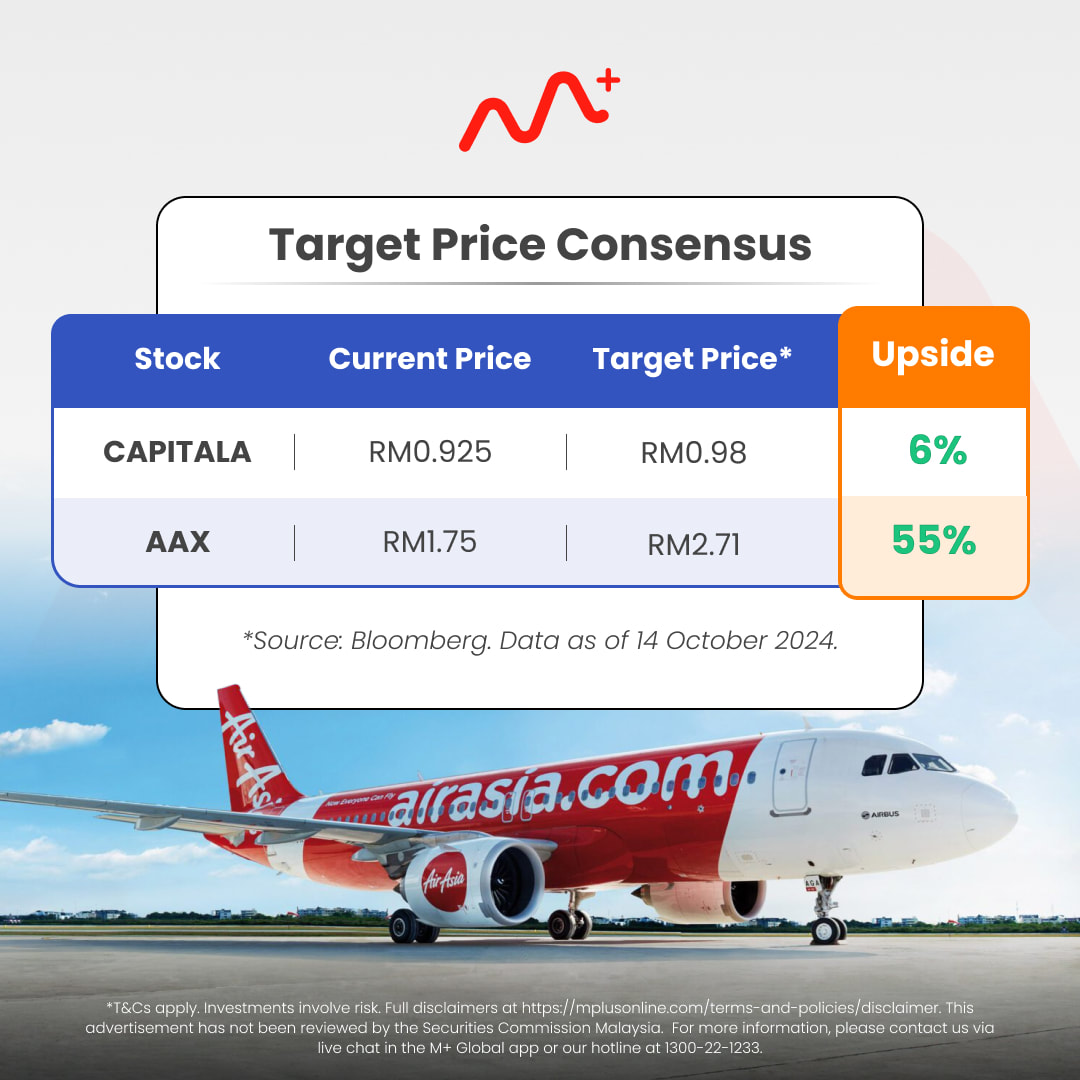
PT AirAsia Indonesia has had its shares suspended since early July because its latest financial statements revealed negative equity. This red flag forced the carrier to halt trading while it plots a recovery strategy.
The suspension has triggered urgent recapitalisation talks, with the airline now weighing several paths forward to stabilise its balance sheet and meet exchange requirements.
What Restructuring Options Is AirAsia Indonesia Considering?
According to a Wednesday filing on 1 October, the low-cost carrier is mulling three main approaches:
- Liability conversion: Converting trade payables and lease liabilities owed to controlling entities or shareholders into perpetual instruments that would effectively count as equity.
- Rights issue: Offering new shares to existing shareholders to raise fresh capital.
- Private placement: Selling shares to select investors or new shareholders.
None of these options has been finalised yet. AirAsia Indonesia is still assessing funding needs, market conditions, and the feasibility of each option with shareholders and outside advisers, the filing stated.
How Does This Connect to Parent AirAsia Group’s Debt Crisis?
The restructuring at the Indonesian subsidiary is unfolding against a much bigger funding squeeze at parent company AirAsia Group Bhd (KL:AAGB). The group recorded a record US$4.1 billion (RM16.75 billion) of debt at the end of June and is seeking about US$1 billion in refinancing.
Last month, AirAsia Group co-founder and adviser Tan Sri Tony Fernandes said fresh capital would be injected into the Indonesian and Philippine operations, with new shareholders expected to join affiliates.
What Does This Mean for AirAsia Indonesia Shareholders?
The negative equity situation is critical because it signals the airline’s liabilities exceed its assets—a breach that triggers stock exchange suspension rules. Solving this requires either shrinking debt or raising new equity capital.
Converting payables into perpetual instruments is the most aggressive move: it transforms cash outflows into permanent capital, removing pressure from the income statement but diluting existing shareholders’ ownership stakes through the quasi-equity instruments.
A rights issue would dilute current shareholders directly by offering new shares at a discount. A private placement might avoid rights dilution but could bring in external control, depending on stake sizes agreed with new backers.
The fact that AirAsia Group is recruiting new shareholders for the Indonesian and Philippine units suggests external investors are being lined up to inject fresh capital rather than the parent going deeper into debt.
What’s the Timeline for Decisions?
The airline has not set a deadline for choosing its path. It said it is still assessing options with shareholders and advisers, meaning retail investors holding suspended shares face continued uncertainty on when trading will resume and what their ownership will look like post-restructuring.
Key Takeaways
- PT AirAsia Indonesia has had shares suspended since early July due to negative equity on its balance sheet.
- The carrier is considering three restructuring paths: converting liabilities to perpetual instruments, a rights issue, or private placement.
- AirAsia Group Bhd (KL:AAGB) is saddled with US$4.1 billion in debt and seeking US$1 billion in refinancing as of end-June.
- New external shareholders are expected to join both Indonesian and Philippine operations as part of the capital injection plan.
- No timeline has been announced for when the airline will complete its assessment and announce its chosen restructuring path.
For retail investors holding AirAsia Indonesia shares, this restructuring is worth monitoring closely. Any capital injection or liability conversion will reshape ownership structures and shareholder value. If you own suspended shares, clarify your broker’s position on how the restructuring may affect your holdings and when trading might resume.
Malaysian aviation stocks and regional low-cost carriers on Bursa Malaysia remain exposed to post-pandemic capacity pressures and fuel costs. This situation at AirAsia Indonesia underscores the sector’s deleveraging challenges after the travel downturn.
Investors in the broader AirAsia Group ecosystem should track AI stock analysis tools to monitor both parent company debt levels and subsidiary restructuring announcements, which often move in tandem.
Frequently Asked Questions
Why have AirAsia Indonesia shares been suspended since July?
Shares were suspended because the airline’s latest financial statements showed negative equity, meaning liabilities exceeded assets. This triggered an automatic suspension under Bursa Malaysia exchange rules pending balance sheet repair.
What is negative equity and why does it trigger a suspension?
Negative equity means a company owes more than it owns—a sign of severe financial distress. Bursa Malaysia suspends shares of companies with negative equity until they restore positive equity through restructuring or capital injection.
How much debt does parent AirAsia Group carry?
AirAsia Group Bhd had a record US$4.1 billion (RM16.75 billion) of debt at the end of June and is seeking about US$1 billion in refinancing to ease the burden.
Will converting liabilities to perpetual instruments dilute my shares?
Yes. Converting payables into perpetual instruments creates quasi-equity that counts toward capital ratios but spreads ownership rights more thinly among existing shareholders, effectively diluting your stake.
When will AirAsia Indonesia announce its restructuring decision?
No timeline has been announced. The filing stated the airline is still assessing options with shareholders and advisers, so retail investors should expect continued suspension until a formal decision is made.
Source: View Original Article — The content is based on the original publisher. Refer to the original content for accurate info. Contact us for any changes.
Related Articles & Resources
Disclaimer: This article is for informational purposes only and does not constitute financial advice. Always do your own research before making investment decisions.
Want to invest in Bursa Malaysia or US markets? Contact Dexter Chia, an AI Driven Remisier who has 2,200+ clients at Malacca Securities Sdn Bhd (M+ Online / M+ Global). M+ Global Invitation Code: UBZQ | WhatsApp: +60169059789 | Why Choose Dexter?