By Dexter Chia, licensed dealer’s representative (R336), M+ Global / Malacca Securities Sdn. Bhd. · Last updated 28 September 2026 · Baca dalam Bahasa Malaysia
Quick answer
In Malaysia, both a remisier and a dealer are licensed by the Securities Commission (SC) to trade shares on Bursa Malaysia on behalf of clients. The difference is how they work: a remisier is a commission-based dealer’s representative who looks after retail investors personally, while a dealer (often called a “paid dealer”) is a salaried employee of the stockbroking firm who usually executes orders for the firm or its institutional clients. For a retail investor, a remisier is normally the person you deal with directly.
What is a remisier?
A remisier is a dealer’s representative (DR) attached to a licensed stockbroking firm who earns a share of the brokerage commission on the trades their clients make. Remisiers are not paid a fixed salary, so their income depends on keeping clients active and satisfied, which is why good remisiers tend to be very responsive.
What a remisier does for you
- Opens your accounts: helps you open a CDS account and trading account, and sorts out rejected applications.
- Executes trades: takes your buy/sell orders by phone or WhatsApp when you can’t or don’t want to trade online yourself.
- Shares research: passes on the broker’s research reports, IPO information and market updates.
- Handles corporate actions: explains rights issues, bonus issues, dividends, share consolidations and takeover offers.
- Solves problems: login and OTP issues, deposit and withdrawal problems, contra losses, dormant CDS accounts.
- Manages risk with you: reminds you about trading limits, contra settlement dates and position sizes.
How remisiers earn their income
When you buy or sell shares you pay a brokerage fee. The stockbroking firm shares part of that fee with the remisier who looks after your account. You don’t pay the remisier anything extra. Your trading costs are the same brokerage, clearing fee and stamp duty you would pay anyway, based on the account type and rates set by the broker.
What is a dealer?
A dealer, or “paid dealer”, is also a licensed dealer’s representative, but is a salaried employee of the stockbroking firm. Dealers typically:
- execute large orders for institutional clients (funds, corporations) or for the firm’s own trading desk,
- work fixed office hours inside the firm’s dealing room,
- are paid a salary (sometimes with a bonus) rather than a share of each client’s commission.
Because they are not building a personal book of retail clients, dealers usually don’t offer the one-to-one relationship a retail investor gets from a remisier.
Remisier vs dealer: side-by-side comparison
| Remisier | Dealer (paid dealer) | |
|---|---|---|
| Licence | SC-licensed dealer’s representative | SC-licensed dealer’s representative |
| Employment | Attached to a broker, commission-based | Salaried employee of the broker |
| Income | Share of clients’ brokerage | Fixed salary (plus bonus) |
| Main clients | Retail investors | Institutional clients, the firm’s own desk |
| Relationship | Personal, one-to-one, long term | Transactional, desk-based |
| Availability | Often reachable by WhatsApp, calls, after hours | Office hours |
| Extra cost to you | None: paid from brokerage | None |
Why appoint a remisier instead of trading completely on your own?
Online platforms such as M+ Global let you trade on your own, and you still do. Having a remisier on your account doesn’t stop you from using the app; it adds a human you can call. Here’s when that matters most:
1. When something goes wrong
Locked account, failed deposit, CDS account marked dormant, IPO application rejected. A remisier can escalate with the broker’s operations team instead of you waiting in a support queue.
2. IPOs and corporate actions
Remisiers help you apply for IPOs, including IPO financing where available, and explain what to do with rights issues, warrants and takeover offers before deadlines pass.
3. Research you would otherwise miss
Brokers publish research reports, target prices and sector updates. A remisier filters that flow and tells you what’s relevant to the shares you actually hold.
4. Discipline and risk control
A good remisier will remind you about contra settlement, concentration risk and trading limits, and won’t push you to overtrade.
5. Learning faster
New investors learn more quickly with someone who can answer “why did this happen?” in plain language.
How to choose a good remisier in Malaysia
- Check the licence. Search the person’s name on the Securities Commission Malaysia’s public register of licensed persons at sc.com.my. Never deal with anyone who isn’t listed.
- Check the broker. The remisier should be attached to a Bursa Malaysia participating organisation (for example Malacca Securities / M+).
- Test the response time. Send a WhatsApp message and see how quickly and clearly they reply.
- Ask what you get. Research, alerts, IPO help, education, access to foreign markets.
- Watch for red flags. Guaranteed returns, pressure to trade often, asking for your password or OTP, or asking you to transfer money to a personal account are all red flags.
- Check the track record. Look for years in the industry, number of clients, awards and genuine reviews.
For a full checklist, including questions to ask before you choose, read How to Choose a Remisier in Malaysia (2026).
Why investors choose me as their remisier
I’m Dexter Chia (Chia Pern Lee), a licensed dealer’s representative (R336) with M+ Global by Malacca Securities Sdn. Bhd., a homegrown Bursa Malaysia stockbroker operating since 1963.
- 2,200+ clients across Bursa Malaysia, US and Hong Kong markets.
- First place in Bursa Reach, Bursa Malaysia’s platform that connects investors with remisiers.
- AI-assisted research: with my background in artificial intelligence, I use AI tools for stock screening, price alerts and analysis, and share the results with clients.
- Three markets, one account: trade Bursa, US and HK shares on the M+ Global app.
- Easy to reach: WhatsApp me directly; no call centre.
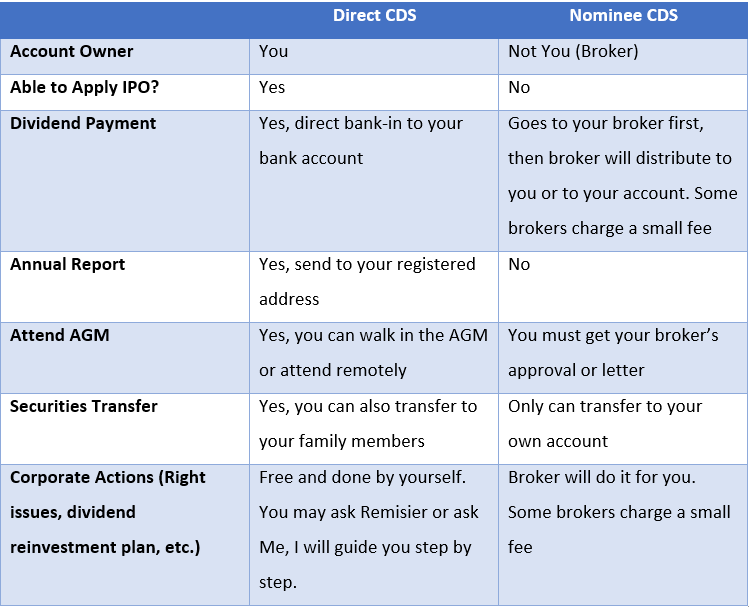
Read more on why clients choose Dexter, or see how to open a Direct CDS account.
Already have a remisier but not happy? Changing is simple and your shares stay where they are. Follow my guide: How to change your remisier at M+.
Ready to get started?
👉 Open an M+ Global account with invitation code UBZQ
💬 WhatsApp me with your questions
FAQ: remisier vs dealer
Is a remisier the same as a stockbroker?
In everyday Malaysian usage, yes: people say “stockbroker” or “broker” when they mean their remisier. Strictly speaking, the stockbroker is the licensed firm (for example Malacca Securities), and the remisier is the licensed representative who serves you through that firm.
Are remisiers licensed in Malaysia?
Yes. Remisiers must hold a licence from the Securities Commission Malaysia as a dealer’s representative and be attached to a stockbroking firm. You can verify any remisier on the SC’s public register.
Do I pay extra to have a remisier?
No. The remisier’s income comes from the brokerage you already pay on each trade. You don’t pay a separate fee to have a remisier on your account.
Can I still trade online myself if I have a remisier?
Yes. You can place your own orders on the app or web platform anytime. The remisier is there when you need help, research or someone to execute an order for you.
What is the difference between a remisier and a paid dealer?
A remisier is commission-based and serves retail clients personally. A paid dealer is a salaried employee of the broker who usually handles institutional or in-house orders.
How do I know who my current remisier is?
Your dealer’s representative code is usually shown on your contract notes and account statements, or you can ask your broker’s customer service.
Can I change my remisier?
Yes. At M+ you send a request to M+ support from your registered email with your client code or UID, the new remisier’s DR code and a reason. Your shares and CDS account are not affected. See the step-by-step guide.
Conclusion
A remisier and a dealer are both licensed to trade for clients, but a remisier is the one who builds a personal, long-term relationship with retail investors, at no extra cost to you. If you want someone who answers your questions, helps with IPOs and problems, and shares research, appointing a good remisier is one of the simplest upgrades you can make to your investing.
This article is for general education only and is not investment advice. Investing in shares involves risk, including loss of capital. Consider your own objectives and risk tolerance before investing.