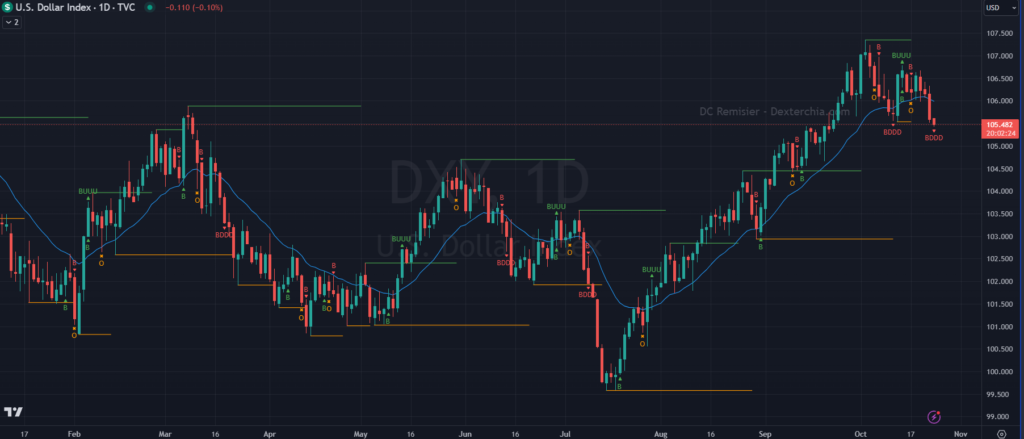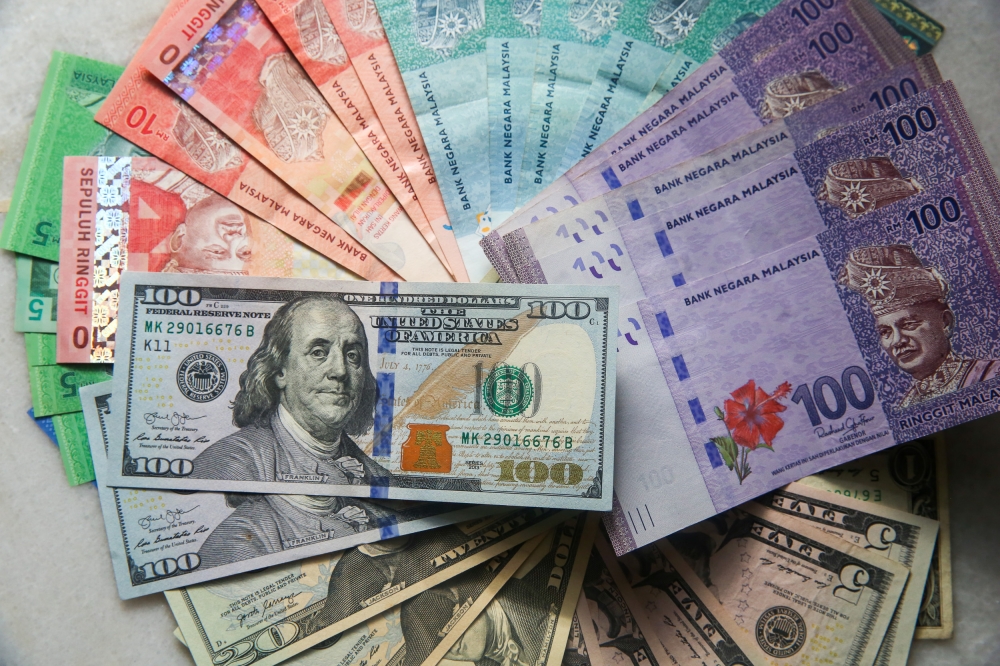
The ringgit eased against the US dollar on Nov 3 as the global AI trade pulled back. Malaysia has been a major beneficiary of the AI investment boom, and that link now works against the currency.
Why Did the Ringgit Ease as the AI Trade Unwound?
Stephen Innes, managing partner of SPI Asset Management, said broader risk aversion drove the ringgit’s weakness. Investors were unwinding AI-related investments.
Innes said Malaysia’s gains came mainly through its semiconductor industry and technology-related investment flows. When those flows reverse, the ringgit can weaken even while the US dollar is also soft.
How Far Did the Ringgit Fall Against the US Dollar?
- Nov 3, 6pm: 4.0735/0775 per US dollar
- Monday’s close: 4.0695/0735 per US dollar
Bank Muamalat Malaysia Bhd chief economist Dr Mohd Afzanizam Abdul Rashid said the ringgit traded within a narrow range. Traders weighed a potential AI investment bubble, the upcoming US midterm elections and Friday’s US jobs data.
How Did the Ringgit Perform Against Major Currencies and ASEAN Peers?
The ringgit traded mostly firmer against major currencies. It was mixed against ASEAN peers, rising only against the Singapore dollar.
- Japanese yen: 2.5762/5789, from 2.5766/5793
- Euro: 4.5587/5631, from 4.5652/5697
- British pound: 5.4658/4712, from 5.4621/4675 (weaker)
- Thai baht: 12.0696/0858, from 12.0496/0661 (weaker)
- Indonesian rupiah: 224.3/224.6, from 224.1/224.4 (weaker)
- Philippine peso: 6.42/6.43, from 6.39/6.41 (weaker)
- Singapore dollar: 3.1807/1841, from 3.1825/1862 (firmer)
What Are Analysts Watching for the Ringgit Next?
Afzanizam said Wall Street firms at a Hong Kong conference gave mixed signals on AI. Some argued AI infrastructure may have gone overboard, while others pointed to economic benefits.
He also noted Brent crude rose 1.94% to US$106.80 per barrel. Concerns over a possible renewed US attack on Iran after the US midterm elections kept markets uncertain.
Innes said the AI unwind “may remain the bigger influence in the near term” for the ringgit.
Why Does the AI Pullback Matter for Bursa Malaysia Stocks?
This report does not single out a Bursa-listed company, so no stock code or earnings figure applies here. The link is sector-wide: semiconductor and technology-related flows drove Malaysia’s gains. Investors may want to watch whether those flows continue as the US midterm elections and US jobs data arrive.
Key Takeaways
- The ringgit eased to 4.0735/0775 per US dollar at 6pm on Nov 3, from 4.0695/0735 on Monday.
- Investors unwound AI-related trades, and Malaysia’s semiconductor exposure left the ringgit exposed.
- The ringgit traded mostly firmer against major currencies but was mostly lower against ASEAN peers.
- Brent crude rose 1.94% to US$106.80 per barrel on Iran-related uncertainty.
- Upcoming US midterm elections and Friday’s US jobs data keep sentiment guarded.
Disclaimer: This article is for general information only and does not constitute financial advice or a recommendation to buy, sell or hold any security. Currency and share prices can move sharply. Always do your own research before making any investment decision.
Frequently Asked Questions
Why did the ringgit weaken against the US dollar on Nov 3?
The ringgit eased to 4.0735/0775 per US dollar as investors pulled back from AI-related trades and broader risk aversion increased. Stephen Innes of SPI Asset Management said Malaysia’s semiconductor-linked inflows were being unwound.
What was the ringgit rate against the US dollar on Nov 3?
At 6pm on Nov 3, the ringgit stood at 4.0735/0775 against the US dollar. That was weaker than Monday’s close of 4.0695/0735.
How high did Brent crude oil go in this report?
Brent crude rose 1.94% to US$106.80 per barrel. Bank Muamalat’s chief economist Dr Mohd Afzanizam Abdul Rashid linked the move to concerns over a possible renewed US attack on Iran.
Why does the AI trade affect Malaysian investors?
Malaysia has been a major beneficiary of the global AI investment boom, particularly through its semiconductor industry. When investors pull back from AI trades, the ringgit can come under pressure even if the US dollar is weakening.
Source: View Original Article — The content is based on the original publisher. Refer to the original content for accurate info. Contact us for any changes.
Related Articles & Resources
Disclaimer: This article is for informational purposes only and does not constitute financial advice. Always do your own research before making investment decisions.
Want to invest in Bursa Malaysia or US markets? Contact Dexter Chia, an AI Driven Remisier who has 2,300+ clients at Malacca Securities Sdn Bhd (M+ Global). M+ Global Invitation Code: UBZQ | WhatsApp: +60169059789 | Why Choose Dexter?