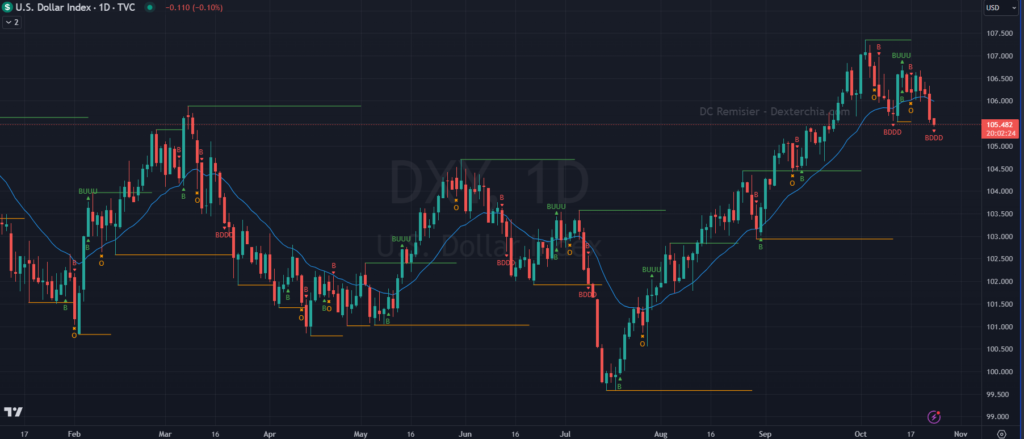
AI wobbles are rocking the dollar. AI stocks have cratered this week, and the stress has spread to parts of the credit market. Investors worry that data centre operators may not become profitable in time to pay their debts.
The result is a flight to Treasuries. The US 10-year yield is set for its largest weekly fall in more than a year.
Why Are AI Wobbles Pushing the Dollar Lower?
The dollar was propelled in part by the AI boom boosting the US economy. That made it vulnerable once AI stocks sold off.
The market is positioned long in dollars. More AI wobbles could unwind that position and push the dollar down further.
“The reaction function of the dollar to a serious repricing of the AI capex boom should be unambiguously dollar bearish,” said Brent Donnelly, president of Spectra Markets. He added: “The entire US economy is a one-legged stool balanced on the AI trade.”
How Far Did the Euro and Other Major Currencies Move?
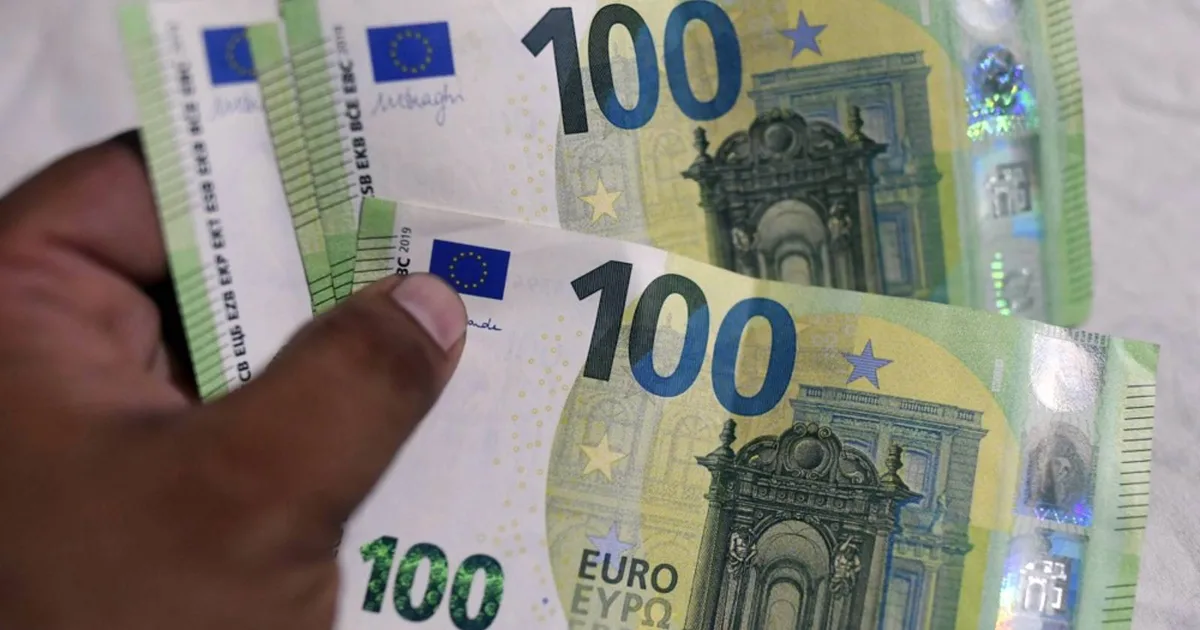
- Euro: US$1.1210 per euro after dropping more than 3% over the previous five weeks on France’s growing debt pile and a winter energy squeeze.
- Japanese yen: the dollar was down 0.2% this week at 158.13 yen.
- Sterling: steady at US$1.3270 for a weekly rise of 0.3%, helped by Britain’s economy unexpectedly growing 0.1% in August.
- New Zealand dollar: at US$0.5621, likely to scratch out a weekly gain of 0.1%.
- Australian dollar: flat at US$0.6921 but heading for a 0.8% weekly fall, the biggest loser among the majors, after a surprisingly soft jobs report on Thursday.
- Dollar index: at 102.07, set for a 0.14% weekly drop against six major peers.
What Fed Signal Are Traders Watching Next?
Federal Reserve Chair Kevin Warsh speaks in Bangkok on Friday at the International Monetary Fund’s annual meeting. It is his final chance to shape market expectations before the Fed’s decision in less than two weeks.
Carol Kong, currency strategist at Commonwealth Bank of Australia, said: “Given Warsh’s distaste for forward guidance, he might subtly signal his preference for the October rate outcome.” She added: “Any hints from Warsh can influence the October Fed pricing and the USD sharply today.”
The CME FedWatch tool shows traders pricing a 72% chance of the Fed standing pat later this month, up from 53% a month earlier. Hike bets rose sharply after a hotter-than-expected CPI report this week, then eased after Fed officials said the central bank could wait for more clarity.
What Could AI Wobbles Mean for Bursa Malaysia Stocks?
The source does not name a Bursa Malaysia company, so this article does not put numbers on any listed name. It also does not cover the ringgit.
The test for any AI-linked Bursa stock is the one the source describes: whether its customers can turn heavy AI spending into profit fast enough to service debt. Investors may want to watch debt levels and earnings guidance from companies in that chain.
Key Takeaways
- AI stocks sold off this week, and the stress spread into the credit market.
- The US 10-year yield is set for its largest weekly fall in more than a year.
- The euro firmed to US$1.1210 after a more than 3% slide over five weeks.
- CME FedWatch shows a 72% chance the Fed stands pat later this month, up from 53% a month earlier.
This article is for information only and is not investment advice. Do your own research before making any investment decision.
Frequently Asked Questions
Why did the dollar fall this week?
The dollar slipped as AI stocks cratered and investors moved into US Treasuries. Brent Donnelly of Spectra Markets said that more AI wobbles could unwind the market’s long dollar positions and push the dollar down further.
How much did the euro rise against the dollar?
The dollar shed about 0.1% to US$1.1210 per euro in the Asia morning. The euro had dropped more than 3% against the dollar over the previous five weeks, on France’s growing debt pile and a winter energy squeeze.
What are the odds the Fed holds rates this month?
The CME FedWatch tool shows a 72% chance of the Fed standing pat later this month. That is up from 53% a month earlier.
Does the AI selloff affect Bursa Malaysia stocks?
The source does not name any Bursa Malaysia company, so no listed-company impact is quantified. Investors with AI supply chain exposure may want to watch whether data centre operators can become profitable in time to pay their debts.
Source: View Original Article — The content is based on the original publisher. Refer to the original content for accurate info. Contact us for any changes.
Related Articles & Resources
Disclaimer: This article is for informational purposes only and does not constitute financial advice. Always do your own research before making investment decisions.
Want to invest in Bursa Malaysia or US markets? Contact Dexter Chia, an AI Driven Remisier who has 2,200+ clients at Malacca Securities Sdn Bhd (M+ Global). M+ Global Invitation Code: UBZQ | WhatsApp: +60169059789 | Why Choose Dexter?