Asia stocks crumbled on Friday as the region’s tech-heavy markets sank. The selloff followed the steepest fall in US stocks since the tariff-triggered “Liberation Day” rout a year and a half ago.
How Far Did Asia Stocks Fall After the AI Rout?

South Korea’s KOSPI plunged more than 8%, triggering exchange circuit breakers for a 20-minute trading halt. Japan’s Nikkei was down 5%.
Wall Street’s “fear gauge” soared as the Nasdaq sank 5.5%. $3 trillion was wiped off S&P 500 companies.
Why Did the Nasdaq Sink 5.5% and Wipe $3 Trillion?
Investors feared Democrats, who swept to power at the midterm elections this week, will apply the brakes to the AI boom. The political jitters hit an AI trade already on shaky footing over the return on investment for enormous sums being poured into the technology.
The Nasdaq had reversed an initial swing higher after the midterms before dropping. It has now shed 12% from its record high close a month ago.
Which Asia Chip and Data Centre Stocks Are Most Exposed?
- Chipmakers in South Korea, Taiwan and Japan
- Data centre equipment suppliers in the same three markets
These names had already tumbled on Wednesday and Thursday. The Philadelphia Semiconductor Index slumped 12.2% overnight.
Why Are Data Centres Now Facing Local Pushback?
The selling indicates investors are factoring in increased local opposition to building data centres. According to Reuters, markets have yet to fully consider the cost such building has imposed on communities.
“It’s pretty clear there’s been a real shift in sentiment,” said Michael McCarthy, chief executive for Australia and New Zealand at online brokerage Moomoo. He added that “market turning points are often accompanied by strong disagreement.”
Where Does Bursa Malaysia Fit in the Asia Stocks Sell-Off?
The source article does not report how Bursa Malaysia traded, so no index level or stock code is cited here. Investors can use the chip and data-centre names above as a read-across for Malaysian tech holdings. For tools that screen these moves, see AI Stock Analysis for Malaysians.
Which Assets Gained as Asia Tech Stocks Fell?
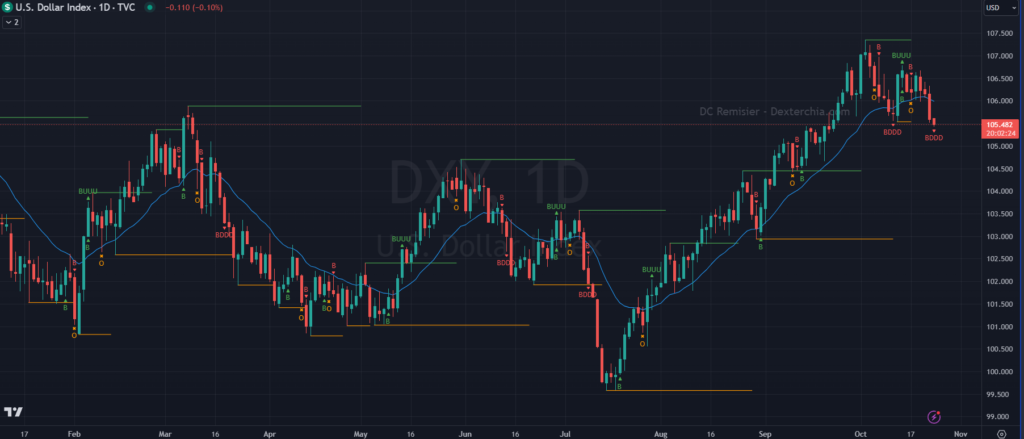
Bonds were set to gain in Asia, while the US dollar slipped against haven currencies such as the yen and Swiss franc. “Treasuries can probably rally a lot further,” said Nick Ferres, chief investment officer at Vantage Point Asset Management in Singapore.
Ferres added: “I suspect it will be an ugly day for semiconductor and memory stocks.”
Key Takeaways
- KOSPI fell more than 8%, triggering a 20-minute trading halt; the Nikkei was down 5%.
- The Nasdaq sank 5.5% and has shed 12% from its record high close a month ago.
- $3 trillion was wiped off S&P 500 companies.
- The Philadelphia Semiconductor Index slumped 12.2% overnight.
- The source does not report a Bursa Malaysia move or name a Bursa-listed company.
Frequently Asked Questions
Why did Asia stocks fall after the AI rout?
Asia stocks fell on fears of increased regulatory scrutiny and a slowdown in AI build-out. Investors also worried that Democrats, who swept to power at the midterm elections this week, will apply the brakes to the AI boom.
How much did the Nasdaq fall in the AI rout?
The Nasdaq sank 5.5% in the latest session. It has now shed 12% from its record high close a month ago.
Did Bursa Malaysia fall with Asia stocks?
The source article does not report Bursa Malaysia’s performance, so no figure is given here. Check Bursa Malaysia’s official daily market data for the latest index movement.
Which Asian stocks were hit hardest by the AI sell-off?
Chipmakers and data centre equipment suppliers in South Korea, Taiwan and Japan were especially vulnerable. The Philadelphia Semiconductor Index slumped 12.2% overnight.
This article is for information only and does not constitute investment advice. Always do your own research before making any investment decision.
Source: View Original Article — The content is based on the original publisher. Refer to the original content for accurate info. Contact us for any changes.
Related Articles & Resources
Disclaimer: This article is for informational purposes only and does not constitute financial advice. Always do your own research before making investment decisions.
Want to invest in Bursa Malaysia or US markets? Contact Dexter Chia, an AI Driven Remisier who has 2,300+ clients at Malacca Securities Sdn Bhd (M+ Global). M+ Global Invitation Code: UBZQ | WhatsApp: +60169059789 | Why Choose Dexter?