The yen is leading the safe-haven rush this week. Thursday’s AI spending doubts hit equities, and the yen posted its strongest daily gain in almost a month.
Why Is the Yen Leading the Safe-Haven Rush?

The yen strengthened 0.3% on Friday to 156.28 per dollar, leading gains among major currencies. It was set for a 1% gain for the week, its strongest weekly rise since early September.
OCBC analysts say AI jitters favour the yen, while the US dollar has become an increasingly two-way macro risk because of AI.
How Far Did the Dollar Index and US Treasury Yields Fall?
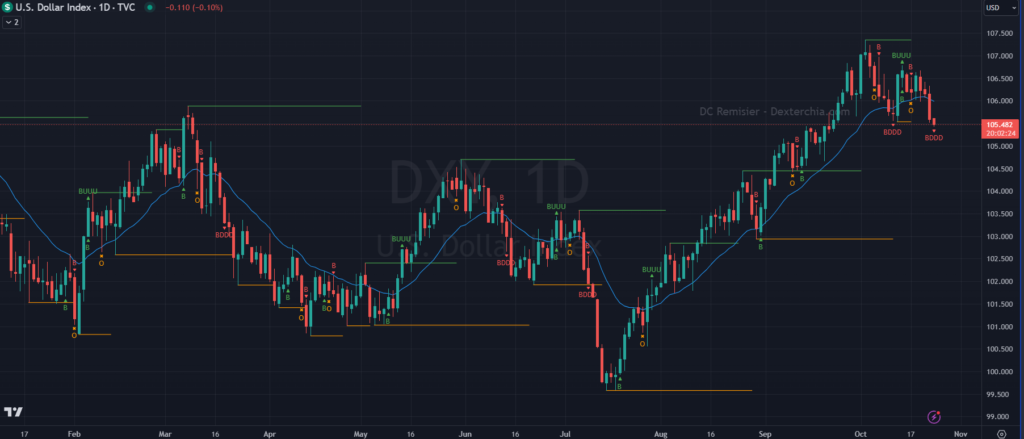
The dollar index was at 101.52, after touching 101.44 on Thursday, its lowest level since the beginning of the month. US 10-year Treasury yields hovered near a one-month low at 4.953%, after tumbling on Thursday.
ING analysts still expect the 10-year yield to snap back above 5% eventually, given inflation, fiscal deficit and AI trends. “Whether yields stay below 5% is another question,” they said.
What Is Oil Doing to the Safe-Haven Trade?
Brent futures pushed above $114 per barrel, a 4% climb from the previous session, after Houthi attacks in Saudi Arabia stoked concerns over energy supply disruption from the region.
OCBC analysts say Middle East tensions support the Canadian dollar and Norwegian crown through rising oil prices. The Canadian dollar firmed past C$1.40 against the greenback, up 0.1% to its strongest level in a month.
Why Does Japan’s Inflation Matter for the Yen?
Japan’s annual core consumer inflation exceeded the Bank of Japan’s 2% target in September for the first time in nine months. That broadening price pressure strengthens the case for a near-term rate hike.
Most economists polled by Reuters expect a hold at the Bank of Japan’s meeting next week, followed by a quarter-point hike at the following meeting in December.
Where Are the Other Major Currencies Moving?
- Swiss franc: steady at 0.8199 per dollar, near its firmest level in a month, as French fiscal stress benefits the franc.
- Offshore yuan: little changed at 6.6715 per dollar, its strongest level in more than four years.
- Euro: largely flat at $1.122, weighed by worries over France’s debt burden.
- European Central Bank: expected to hold its benchmark rate at 2.5% next week.
- Australian dollar: held steady at $0.7016.
- Kiwi dollar: edged up 0.1% to $0.5687.
What Does This Mean for Bursa Malaysia Shareholders?
The report names no Bursa-listed company, so no earnings, dividend or order book figure can be tested against this move. ING analysts say the risk-off environment takes pressure off the Fed to hike next week, but they would not be “loading up on duration here, at least not just yet.”
Three variables are worth tracking: doubts over the AI spending boom, Brent above US$110, and the yen-led safe-haven bid. Malaysian shareholders with exposure to tech supply chains, energy costs or US rate expectations may want to watch how these move next week.
Key Takeaways
- The yen rose 0.3% to 156.28 per dollar on Friday, set for a 1% weekly gain.
- The dollar index hit 101.52, after touching 101.44 on Thursday, its lowest since the start of the month.
- US 10-year Treasury yields hovered near a one-month low at 4.953%.
- Brent futures pushed above $114 per barrel after Houthi attacks in Saudi Arabia.
- Japan’s core inflation exceeded 2% in September for the first time in nine months.
This article is for information only and is not investment advice. Do your own research before making any investment decision. Source: Free Malaysia Today (FMT).
Frequently Asked Questions
Why did the yen strengthen against the dollar this week?
The yen rose 0.3% to 156.28 per dollar on Friday and was set for a 1% weekly gain, its strongest since early September. Doubts over the AI spending boom drove the safe-haven demand.
Why is Brent crude above $110 per barrel?
Brent futures pushed above $114 per barrel after a 4% climb, as Houthi attacks in Saudi Arabia stoked concerns over energy supply disruption from the region.
Will the Bank of Japan raise interest rates?
Most economists polled by Reuters expect a hold at next week’s meeting, followed by a quarter-point hike in December. Core inflation above 2% in September strengthens the case for a near-term hike.
Does the yen rally affect Bursa Malaysia stocks?
The FMT report names no Bursa Malaysia-listed company, so it gives no direct link to any stock. Readers should do their own research into their holdings’ exposure to oil, tech and US rates.
Source: View Original Article — The content is based on the original publisher. Refer to the original content for accurate info. Contact us for any changes.
Related Articles & Resources
Disclaimer: This article is for informational purposes only and does not constitute financial advice. Always do your own research before making investment decisions.
Want to invest in Bursa Malaysia or US markets? Contact Dexter Chia, an AI Driven Remisier who has 2,200+ clients at Malacca Securities Sdn Bhd (M+ Global). M+ Global Invitation Code: UBZQ | WhatsApp: +60169059789 | Why Choose Dexter?