What Is the Muhyiddin Graft Trial About?
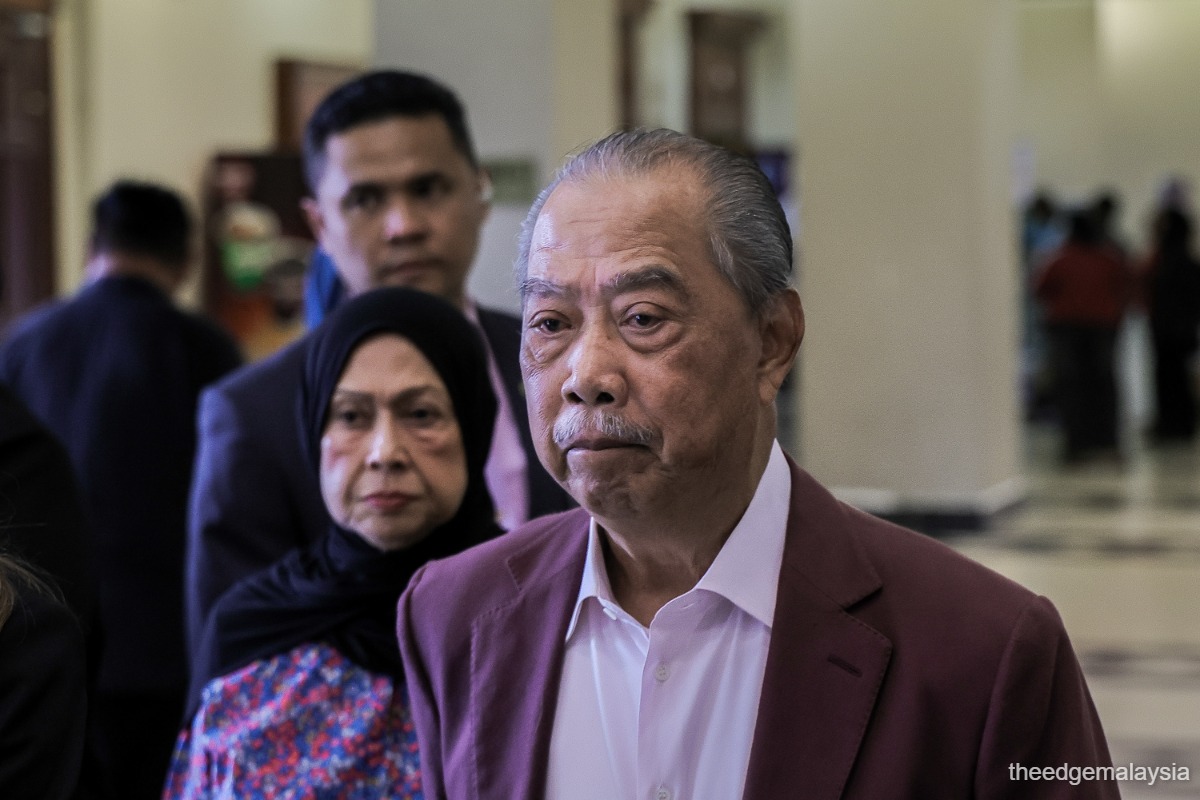
The Muhyiddin graft trial centres on allegations that former prime minister Tan Sri Muhyiddin Yassin abused his executive power by directing the minister of finance to help secure Jana Wibawa project contracts for specific companies. In return, these four entities funnelled RM25.3 million into Parti Pribumi Bersatu Malaysia (Bersatu) accounts between September 2021 and November 2022, according to MACC investigating officer Mazery Md Zaini’s testimony in the High Court on September 2.
The timing of these deposits is critical. MACC evidence shows that companies made payments after receiving government letters of acceptance for Jana Wibawa projects, suggesting a quid pro quo arrangement rather than genuine political donations.
The RM25.3 Million Bersatu Deposits: Breaking Down the Numbers
MACC’s investigation identified four entities responsible for the RM25.3 million deposited into Bersatu’s accounts during the 15-month period from September 2021 to November 2022. Lead investigator Mazery testified that these payments were neither voluntary nor spontaneous political support — they were structured transfers that followed immediately after Jana Wibawa contract awards.
KCJ Engineering’s role stands out: Managing director Datuk Azman Yusoff personally contributed RM4.8 million across multiple cheques to Bersatu, all upon alleged instruction from Muhyiddin when he served as prime minister. Initially named as a suspect for soliciting bribes, Azman was later turned into a prosecution witness after investigators concluded he was acting on orders from the top executive rather than operating independently.
The remaining companies — Nepturis, Sutracom, and Mamfor — collectively accounted for the balance of the RM25.3 million, with their contributions also timed to follow contract award letters.
Why Did MACC Not Charge Azman?
Mazery’s testimony reveals the strategic investigative decision: because Azman Yusoff was acting on the alleged spontaneous request of Muhyiddin himself, MACC investigators determined he was not operating as an independent bribe-solicitor. Instead, he was executing instructions from the prime minister at the material time.
“Based on the investigation findings, it was found that Azman gave money to Bersatu when requested by the YAB PM at that time, namely Tan Sri Muhyiddin Yassin, for the money to be deposited into the party’s account,” Mazery told Deputy Public Prosecutor Datuk Wan Shaharuddin Wan Ladin. This finding shifted Azman’s status from suspect to prosecution witness, a move designed to establish Muhyiddin’s alleged abuse of power as the primary wrongdoing.
What Does This Mean for Malaysian Corporate Governance?
The Muhyiddin graft trial raises fundamental questions about political financing transparency and corporate accountability in Malaysia. Companies that benefit from government contracts have a responsibility to ensure their political contributions are arm’s-length transactions, not concealed gratification payments.
For retail investors monitoring publicly listed companies or their unlisted suppliers, this case demonstrates how corporate governance failures can expose businesses to reputational and legal risk. Companies linked to government procurement processes face heightened scrutiny if their financial flows to political parties appear contingent on contract awards.
The Jana Wibawa Project Context
Jana Wibawa (“strength and resilience”) was a government project during Muhyiddin’s tenure as prime minister (March 2020 to August 2021). The project involved infrastructure and economic initiatives, but according to MACC, ministerial intervention allegedly secured contracts for specific companies in exchange for political funding.
Mazery’s investigation findings confirm that “an abuse of power occurred by the PM at that time, where he helped by directing the minister of finance to handle matters regarding” the Jana Wibawa contracts. This direct involvement at the ministerial level elevates the seriousness of the allegations beyond individual corporate misdoing.
Key Players in the Investigation
Mazery Md Zaini, now a senior assistant commissioner at the MACC, served as the investigating officer for the Jana Wibawa case. His testimony provides the evidentiary foundation for the prosecution’s case, documenting how each deposit was timed to follow contract awards and how the original suspect became a key witness.
Datuk Azman Yusoff, KCJ Engineering managing director, contributed RM4.8 million across multiple cheques and is now testifying for the prosecution. His shift from suspect to witness indicates he is cooperating with authorities to establish Muhyiddin’s role in directing the scheme.
Deputy Public Prosecutor Datuk Wan Shaharuddin Wan Ladin guided Mazery through examination-in-chief, systematically establishing the timeline, amounts, and causal relationship between contract awards and party donations.
Political Donations vs. Gratification: The Legal Distinction
Malaysian law and the Malaysian Anti-Corruption Commission Act permit legitimate political donations. However, payments made as a “reward/reciprocation (upah/balasan)” in exchange for administrative interventions cross into gratification territory, which constitutes corruption.
Mazery’s testimony explicitly characterises the RM25.3 million as gratification, not donations. The distinction hinges on two factors: (1) whether the payer expected something in return, and (2) whether the government official provided those administrative benefits. MACC evidence shows both were present in the Jana Wibawa cases.
What Happens Next in the Trial?
The prosecution will continue presenting witnesses to establish each element of the abuse of power charge. Defence counsel will then have the opportunity to cross-examine witnesses and present the defence case. Given the complexity and the number of transactions involved, the trial is expected to continue for several months.
Key evidence yet to be presented likely includes: financial records from Bersatu’s accounts, bank statements from the four companies, ministerial communications regarding Jana Wibawa contracts, and potentially testimony from other government officials involved in the approval process.
Implications for Bursa Malaysia-Listed Companies
Public companies listed on Bursa Malaysia face increasing pressure to demonstrate transparent political financing practices. The Securities Commission and Bursa Malaysia’s corporate governance codes require listed companies to disclose related-party transactions and potential conflicts of interest.
If any Bursa-listed entity or its subsidiaries were involved in Jana Wibawa or similar schemes, shareholders may have grounds to question management on: (1) whether political contributions were properly authorised by boards, (2) whether such contributions were disclosed adequately, and (3) what governance controls prevented improper executive direction of corporate funds to political parties.
Companies with government contracts should review their policies on political donations, ensuring they are not contingent on contract awards or ministerial favours. Investors may want to monitor companies in infrastructure, construction, and engineering sectors for any disclosures related to government projects and political funding during the 2020-2022 period.
What Should Retail Investors Monitor?
While the Muhyiddin graft trial does not directly implicate Bursa-listed companies as defendants, it does highlight governance risks in companies that rely on government contracts. Retail investors should be alert to:
- Related-party transactions: Watch for large unexplained transfers to political parties or foundations by companies in which you hold stakes.
- Government contract cycles: Track when companies announce major government contract wins and monitor subsequent shareholder communications for disclosure of political donations.
- Board independence: Assess whether independent directors provide sufficient oversight of executive decisions regarding corporate political spending.
- Sector concentration: Engineering, construction, and infrastructure companies should be scrutinised more closely given their reliance on government procurement.
- AGM and annual report disclosures: Review political donation disclosures at shareholder meetings and in corporate governance statements.
For deeper analysis of Malaysian stock fundamentals and governance risks, AI Stock Analysis for Malaysians offers data-driven tools to screen companies by governance metrics and related-party transactions.
Key Takeaways
- RM25.3 million deposited into Bersatu accounts between September 2021 and November 2022 are characterised as gratification, not political donations, according to MACC testimony in the Muhyiddin graft trial.
- Four entities — KCJ Engineering (RM4.8 million from Datuk Azman Yusoff), Nepturis, Sutracom, and Mamfor — made deposits that coincided with Jana Wibawa contract awards, suggesting a quid pro quo arrangement.
- Datuk Azman Yusoff shifted from suspect to prosecution witness after MACC determined he was executing instructions from Muhyiddin rather than acting independently.
- The trial establishes that ministerial-level intervention directed the minister of finance to secure contracts for specific companies, elevating the abuse of power allegations beyond individual corporate misconduct.
- Bursa Malaysia retail investors should monitor companies in government-dependent sectors for transparent political financing practices and board oversight of executive discretion over corporate funds.
Final Thoughts: Corporate Governance on Trial
The Muhyiddin graft trial ultimately tests whether Malaysia’s governance institutions can hold high-level executives accountable for abusing ministerial power to direct corporate funding to political parties. The outcome will signal to investors, companies, and the public whether Malaysia is willing to enforce anti-corruption standards at the highest levels.
For retail investors, the case underscores the importance of corporate governance diligence. Companies that allow executive directives to override board oversight, or that tie political contributions to government contract timelines, expose themselves and their shareholders to legal, reputational, and financial risk. The RM25.3 million in Bersatu deposits may ultimately cost these companies far more in shareholder value and operational disruption than the original contract values warranted.
Disclaimer: This article is for informational purposes only and does not constitute investment advice. Readers should conduct their own research and consult licensed financial advisors before making investment decisions. Past governance issues do not guarantee future performance or misconduct. Always review a company’s latest disclosures, auditor reports, and governance statements before investing.
Source: View Original Article — The content is based on the original publisher. Refer to the original content for accurate info. Contact us for any changes.
Related Resources from Dexter Chia
Disclaimer: This article is for informational purposes only and does not constitute financial advice. Always do your own research before making investment decisions.
Want to invest in Bursa Malaysia or US markets? Contact Dexter Chia, an AI Driven Remisier who has 2,200+ clients at Malacca Securities Sdn Bhd (M+ Online / M+ Global). M+ Global Invitation Code: UBZQ | WhatsApp: +60169059789 | Why Choose Dexter?