Maxim Global Takeover Offer Slammed as Severely Undervalued
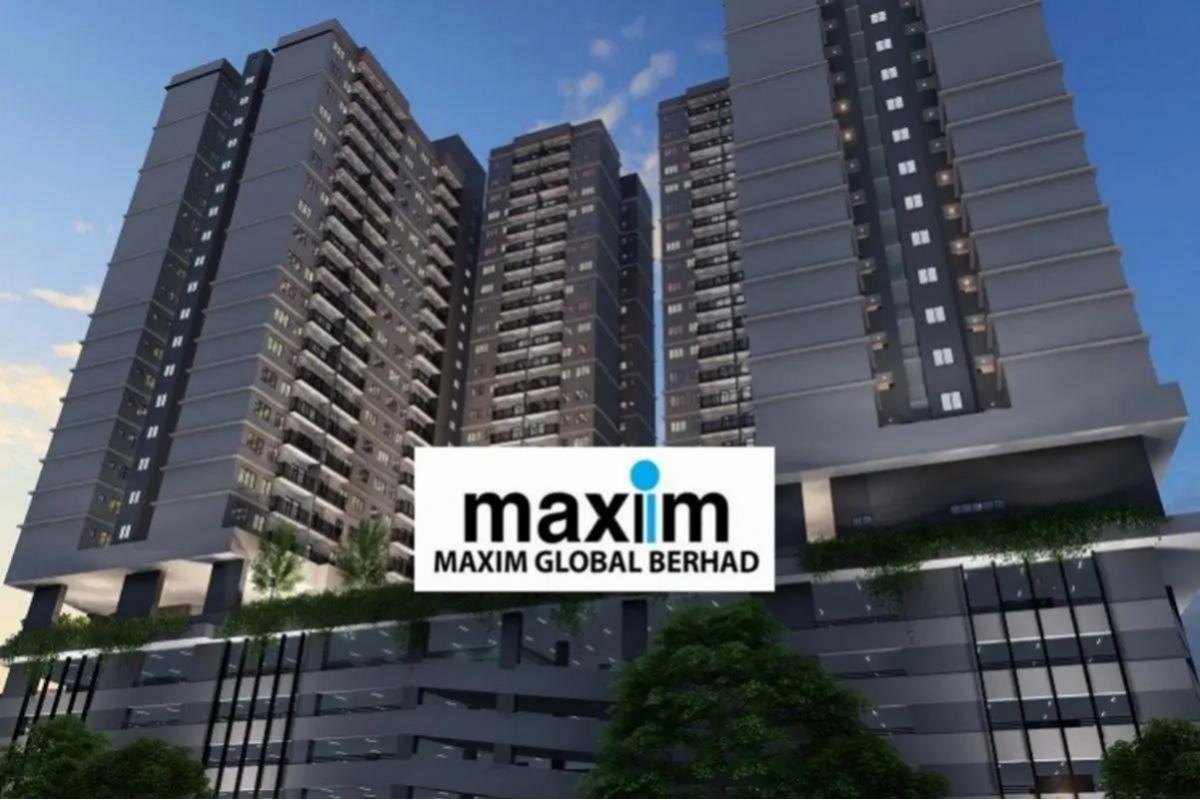
Maxim Global Bhd shareholders face a critical decision after the company’s independent adviser blasted the mandatory takeover offer as substantially undervalued. MainStreet Adviser Sdn Bhd has recommended shareholders reject Tan Sri Gan Seong Liam’s offer of 24 sen per share, which values the property developer at just RM195 million based on Thursday’s closing price of 26.5 sen.
The gap between offer price and fair value is staggering. MainStreet values Maxim Global at RM656 million, or 89 sen per share, based on revalued net asset value—nearly 3.7 times the offer price. Even using conservative estimated net asset valuation, the property developer’s worth climbs to 76 sen per share, still triple the takeover bid.
What Triggered This Mandatory Offer?
The takeover cascade started when Gan acquired a 15.54% stake from executive director Chai Chang Guan and her brother Chai Seong Min for RM27.42 million. This acquisition pushed Gan’s direct interest to 37.33%, triggering the mandatory takeover threshold.
Gan’s reach extends deeper. Combined with his children—executive directors Gan Kuok Chyuan and Gan Kuok Wei—the connected parties now control 60.37% of the company. This consolidated control block means the founder and family are effectively taking the company private at a discount that leaves minority shareholders exposed.
The Independent Adviser’s Two-Pronged Rejection
MainStreet’s rejection rests on two grounds. First, the price is simply unfair—24 sen versus 89 sen fair value represents an 73% discount to the adviser’s valuation. Second, the offer lacks reasonableness even as an exit mechanism, since Gan is keeping the company listed, ostensibly to give minorities an exit route.
“Accordingly, we recommend that the holders reject the offer,” MainStreet concluded in its formal assessment. This is unusually blunt language from an independent adviser—most recommendations avoid such stark positioning.
Financial Performance: Why Maxim Is Worth More Than Offered
Maxim Global returned to profitability in fiscal year 2021 after earlier losses. For the financial year ended December 31, 2025 (FY2025), the property developer posted net profit of RM33.44 million on revenue of RM443.78 million. These are solid numbers for a developer trading at a market cap below RM200 million.
At the 24 sen offer price, shareholders would be accepting a valuation that ignores this earnings recovery and asset base. The company’s net asset position—at 76 sen minimum—anchors a much stronger valuation than the low-ball offer suggests.
Timeline: Minority Shareholders Face June 15 Deadline
The takeover was formally launched on May 4. Minority shareholders now have until June 15 to decide whether to accept the 24 sen offer. At the time of launch, Maxim Global stock was already trading below the offer price, giving an early signal that market participants viewed the offer as weak.
The stock remained unchanged at 26.5 sen on Thursday, just above the bid price, suggesting limited buyer enthusiasm at either level. This thin trading volume and modest price movement indicate many minority holders are digesting the independent adviser’s rejection before deciding their next move.
What Does This Mean for Investors?
For existing minority shareholders: The independent adviser’s recommendation gives you formal validation that the offer significantly undervalues your stake. You have the right to reject and hold, betting that alternative exit opportunities or operational improvements could push value higher over time. However, rejection carries execution risk—you remain a minority in a company controlled by Gan’s family.
For potential acquirers or investors: The large gap between fair value (76-89 sen) and offer price (24 sen) suggests potential arbitrage or investment opportunity, though you’d need to navigate family control and limited liquidity. Maxim Global’s stock code is MAXIM on Bursa Malaysia’s Main Market.
For market observers: This case highlights how family-controlled companies can attempt minority squeeze-outs at depressed valuations. The independent adviser mechanism, while advisory rather than binding, provides a formal counterweight to controlling shareholder influence.
Property Sector Context: Where Does Maxim Sit?
The Malaysian property sector has faced headwinds from rising interest rates, softer demand, and tighter lending conditions. Yet Maxim Global’s FY2025 profit of RM33.44 million suggests the developer is still generating cash despite sector slowdown. This earnings resilience makes the 24 sen offer even more questionable.
Many Malaysian property developers trade at 0.8x to 1.2x book value. Maxim’s net asset value of 76 sen suggests the company should trade at a meaningful premium to a 24 sen takeout price. The wide valuation gap invites scrutiny about whether Gan is attempting to acquire family assets on the cheap.
Managing Your Bursa Portfolio During Takeovers
If you hold Maxim Global shares, the key question is whether the independent adviser’s rejection aligns with your own investment thesis. If you believe the property developer has long-term value, rejection and holding might be sensible. If you see limited upside and prefer certainty, the 24 sen offer—while unfair—does provide a price floor, albeit a low one.
For broader portfolio management, understanding your trading account type in Malaysia helps you respond efficiently to corporate actions and takeover decisions. Some accounts offer better settlement terms for tight-deadline situations.
This situation also underscores the importance of monitoring dividend policy and capital allocation when you own minority stakes in family-controlled companies—sometimes a strong dividend yield compensates for takeover discount risk.
Key Takeaways for Maxim Global Shareholders
- Fair value gap: Independent adviser values Maxim at 89 sen (revalued NAV) or 76 sen (estimated NAV), versus 24 sen offer—a 73-76% discount that MainStreet deemed unfair and unreasonable.
- Controlling shareholder strategy: Tan Sri Gan Seong Liam and connected family members own 60.37%, giving them effective control while squeezing out minorities at rock-bottom prices.
- Earnings support valuation: Maxim posted RM33.44 million net profit on RM443.78 million revenue in FY2025, demonstrating operational strength that justifies higher valuations than the 24 sen offer.
- Hard deadline: Shareholders must decide by June 15 whether to accept the offer or reject and remain as minorities in a family-controlled structure with uncertain future prospects.
- Liquidity trade-off: While rejection keeps you in a minority position, acceptance locks in a severe discount to independent adviser valuations; do your own financial analysis before deciding.
Bottom Line: Unfair Offer, Clear Adviser Stance
Maxim Global’s takeover offer at 24 sen per share is materially below the property developer’s assessed fair value of 76-89 sen, according to independent adviser MainStreet. The recommendation to reject is backed by solid valuation work and the reality that controlling shareholder Gan is keeping the company listed, suggesting this is a minority squeeze-out rather than a genuine exit opportunity.
Minority shareholders now face a tough choice: accept a deeply discounted bid for certainty, or reject and hope operational improvements or alternative transactions unlock more value over time. The June 15 deadline is firm, and your decision should rest on your own assessment of Maxim’s long-term prospects, not just the adviser’s opinion.
Remember, this analysis is for information purposes only. Always conduct your own due diligence, review the formal takeover document, and consult a financial adviser before making decisions about your Bursa Malaysia holdings. Corporate takeovers involve complex tax, legal, and investment considerations that go beyond stock price alone.
Source: View Original Article — The content is based on the original publisher. Refer to the original content for accurate info. Contact us for any changes.
Related Resources from Dexter Chia
Disclaimer: This article is for informational purposes only and does not constitute financial advice. Always do your own research before making investment decisions.
Want to invest in Bursa Malaysia or US markets? Contact Dexter Chia, an AI Driven Remisier who has 2,200+ clients at Malacca Securities Sdn Bhd (M+ Online / M+ Global). M+ Global Invitation Code: UBZQ | WhatsApp: +60169059789 | Why Choose Dexter?