What’s Driving Malaysia’s Sushi Market Growth?
The Malaysia sushi market has become a dark horse in the food and beverage sector, emerging as one of Asia’s fastest-growing segments. The market has crossed into billion-ringgit territory, reflecting changing consumer preferences among Malaysian diners.
Urban consumers in Kuala Lumpur, Petaling Jaya, and Subang increasingly view sushi as a lifestyle choice rather than a niche cuisine. This shift has created a genuine investment thesis for retail investors monitoring Bursa Malaysia’s F&B stocks.
What makes this trend significant? The per-capita consumption data shows Malaysians are eating more sushi annually than ever before. This isn’t a temporary fad—it’s a structural shift in dining habits.
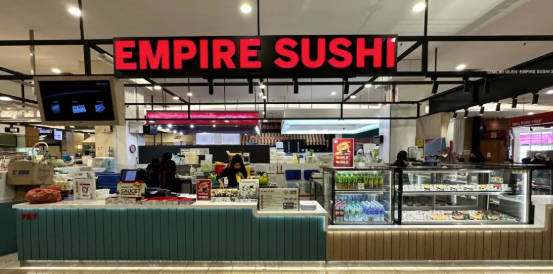 Rising demand for sushi dining reflects Malaysia’s evolving F&B market landscape
Which F&B Stocks Should Investors Monitor?
The billion-ringgit sushi opportunity directly benefits restaurant chains and F&B operators listed on Bursa Malaysia. Companies with strong presence in Japanese cuisine, premium dining segments, or multi-concept restaurant portfolios are worth monitoring.
Investors should track companies that have:
- Existing sushi or Japanese cuisine operations
- Plans to expand casual dining concepts in shopping malls
- Strong footprint in urban markets where sushi demand clusters
- Supply chain capabilities to maintain freshness and quality
- Digital ordering and delivery integration for younger consumers
Key consideration: Not all F&B operators are positioned equally. Those with Japanese culinary expertise and established brand recognition in sushi are better positioned than generalist restaurant operators attempting to enter the market.
How Big Is Malaysia’s Annual Sushi Consumption?
The headline question—”How much sushi do Malaysians eat annually?”—reveals market depth that surprises many investors. Per-capita consumption figures suggest the market has matured beyond experimental stages.

Market research indicates steady year-over-year growth in sushi consumption across major urban centers. This translates directly into revenue growth opportunities for listed operators.
The Malaysia sushi market expansion particularly benefits restaurants in:
- Shopping mall food courts and casual dining zones
- Premium fine-dining establishments in Klang Valley
- Franchise models targeting tier-2 cities
- Quick-service concepts for office workers and students
What Should Retail Investors Watch?
Several metrics matter when analyzing F&B stocks benefiting from this market boom:
Revenue from Japanese cuisine concepts: Companies should disclose revenue breakdowns by concept. Check quarterly earnings announcements for sushi or Japanese segment performance.
Unit growth and expansion plans: Monitor press releases announcing new sushi outlet openings. Management guidance on expansion timelines reveals confidence in market sustainability.
Foot traffic and same-store sales: Investor presentations often highlight comparable sales growth. Double-digit growth in Japanese concept same-store sales signals strong demand.
Operating margins: Sushi operations typically command premium pricing. Track whether margins are expanding as volumes grow—this indicates pricing power and operational efficiency.
Retail investors can use AI stock analysis tools for Malaysian stocks to monitor F&B sector trends and compare valuations across restaurant operators.
Why This Market Matters for Your Portfolio
The Malaysia sushi market growth represents a rare opportunity to invest in genuine consumer trend tailwinds on Bursa Malaysia. Unlike speculative sectors, this is backed by measurable consumption data and demographic shifts.
Millennials and Gen Z consumers—Malaysia’s largest demographic cohorts—view sushi as mainstream dining. As their purchasing power increases, sushi spending will compound.
The market’s billion-ringgit scale means it’s no longer niche. It’s institutional-grade, suitable for serious portfolio construction.
Market Context: Beyond the Sushi Trend
This phenomenon reflects broader shifts in Malaysian consumer behavior. Rising middle-class incomes, urbanization, and exposure to international cuisines support premium F&B growth.
The EPF contribution framework and improved household disposable income mean more Malaysians can afford casual sushi dining regularly. This structural support makes the trend sustainable beyond cyclical demand.
Currency consideration: Many sushi ingredients are imported, making currency movements relevant. A weaker Ringgit increases input costs, potentially pressuring margins. Monitor RM/USD movements when analyzing F&B operator financials.
Key Takeaways for Investors
- Malaysia’s sushi market has reached billion-ringgit scale, signaling maturity and sustainability beyond trend status
- Listed F&B operators with Japanese cuisine expertise and urban presence are positioned to capture growth
- Monitor quarterly earnings for Japanese concept revenue, unit expansion plans, and same-store sales growth
- This trend reflects structural demographic and income shifts supporting long-term demand
- Always conduct thorough due diligence and review annual reports before making investment decisions
Next Steps: How to Research These Opportunities
Start by reviewing annual reports of major F&B companies on Bursa Malaysia. Look for segment breakdowns disclosing Japanese or sushi concept performance.
Monitor investor relations announcements for expansion news. Check quarterly earnings calls for management commentary on Japanese cuisine growth rates.
Compare valuations across F&B operators using price-to-earnings and enterprise-value-to-EBITDA multiples. Premium valuations are justified for high-growth concepts, but validate the growth thesis first.
Consider speaking with a remisier or using AI-driven stock analysis services to screen F&B operators meeting specific growth criteria.
Remember: This analysis is educational only. Do your own research, review official Bursa Malaysia disclosures, and consult investment professionals before making decisions. Never invest based on trends alone—validate with fundamental analysis and risk assessment.
The Malaysia sushi market boom represents a genuine opportunity worth monitoring, but success requires disciplined stock selection and portfolio management.
📰 Source: View Original Article — The content is based on the original publisher. Refer to the original content for accurate info. Contact us for any changes.
📚 Related Resources from Dexter Chia
Disclaimer: This article is for informational purposes only and does not constitute financial advice. Always do your own research before making investment decisions.
Want to invest in Bursa Malaysia or US markets? Contact Dexter Chia, an AI Driven Remisier who has 2,200+ clients at Malacca Securities Sdn Bhd (M+ Online / M+ Global). M+ Global Invitation Code: UBZQ | WhatsApp: +60169059789 | Why Choose Dexter?