What Does Fuel Cost Inflation Mean for Food Stocks?
Fuel costs have become a critical driver of food price inflation across Malaysia’s consumer sector. When petrol and diesel prices rise, the entire supply chain feels the pressure—from farm to factory to retail shelf.
The reported 50% potential price increase signals serious margin compression ahead for food and beverage companies listed on Bursa Malaysia. Transportation, packaging, and raw material logistics all depend on fuel costs.
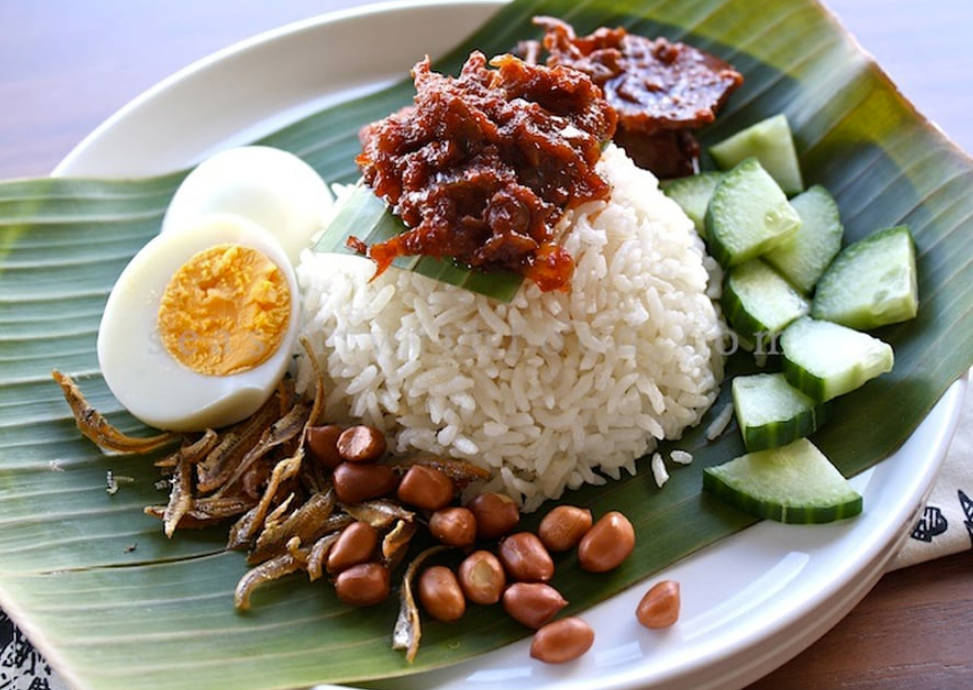 Rising fuel costs are driving significant food price increases in Malaysia’s consumer sector.
Which Food Sector Stocks Should Investors Monitor?
Food and beverage companies operating in Malaysia will face three immediate pressures:
- Higher transportation costs for raw materials and finished goods
- Increased production expenses in manufacturing facilities
- Rising distribution and logistics expenses to retailers nationwide
Major listed food producers, processors, and distributors on Bursa Malaysia are the most exposed to this cost shock. Companies with lower pricing power will struggle most.
Investors should examine which food stocks have already announced price increases versus those holding the line. Those who act early can protect margins; those who delay will see earnings compress.

How Will the 50% Price Hike Impact Consumer Stocks?
A potential 50% increase in food prices would be catastrophic for consumer purchasing power. Most Malaysian households budget food as their largest monthly expense after housing.
When food prices spike dramatically, consumers typically respond by:
- Switching to budget brands and discount retailers
- Reducing overall consumption volumes
- Shifting away from premium products
- Increasing reliance on government subsidies where available
This demand shift creates winners (discount retailers, budget brands) and losers (premium food companies). Retail investors need to identify which Bursa-listed food companies serve which segments.
What Should Retail Investors Watch Right Now?
Several key metrics matter when monitoring food sector stocks through this inflationary period:
Cost Pass-Through Ability
Can the company raise prices without losing customers? Companies with strong brand loyalty and inelastic demand (essential foods) handle cost inflation better than discretionary food brands.
Supply Chain Efficiency
Operators with efficient logistics and local sourcing feel less pain from fuel cost pressures. Those dependent on imported raw materials face double-hit inflation.
Gross Margin Trends
Watch quarterly earnings reports closely. Margin compression signals rising production costs faster than prices can be increased. This directly impacts shareholder returns and future dividend payouts.
Inventory Management
Companies holding high-cost inventory purchased at old fuel price levels benefit short-term. Those restocking at higher prices get hit immediately.
For retail investors, dividend-paying food stocks become especially important—use earnings announcements to evaluate dividend sustainability.
The Ringgit and International Food Costs
Malaysian food companies importing raw materials also face currency headwinds. If the Ringgit weakens while fuel costs rise, imported ingredient costs double-squeeze margins.
Companies with natural hedges—those growing raw materials locally or earning revenue in foreign currency—handle this better.
Retail investors with EPF holdings in diversified funds may already own exposure to these food stocks indirectly. Request portfolio transparency from your fund manager to understand specific holdings.
When Will This Impact Quarterly Results?
Fuel cost increases flow through financial statements with a lag:
- Immediate (0-1 month): Transportation and logistics costs rise
- Short-term (1-3 months): Raw material restocking at higher prices begins
- Medium-term (3-6 months): Price increases reach shelves and earnings impact appears
- Long-term (6+ months): Full margin impact visible in quarterly reports
Smart investors monitor earnings guidance and management commentary now, before results fully reflect the damage. Companies that flag cost pressures early often see share price weakness—but may recover faster once the crisis passes.
Key Takeaways for Retail Investors
- Food sector exposure matters now: Rising fuel costs are pushing food prices toward 50% increases on Bursa Malaysia, directly threatening consumer stocks
- Margin compression is the real risk: Monitor quarterly earnings for gross margin trends—this signals which companies can absorb costs versus which will struggle
- Price-setting power determines winners: Food stocks with strong brands and pricing power are worth monitoring; budget retailers may gain market share
- Dividend sustainability is critical: Check if your food stock holdings can maintain dividends through margin pressures, or if payouts face cuts
- Do your own research always: Each food company faces unique supply chains, cost structures, and customer bases—sector-wide statements don’t apply universally
Bottom Line for Bursa Investors
The 50% food price increase driven by fuel costs represents a significant stress test for Malaysia’s consumer sector. Retail investors should now shift from passive holding to active monitoring.
Review your portfolio for food and beverage exposure. Check recent earnings reports for management commentary on cost pressures. Calculate which stocks have pricing power and which face margin squeeze ahead.
This inflationary shock creates both risks and opportunities—but only if you’re watching the right metrics before they fully show up in share prices.
📰 Source: View Original Article — The content is based on the original publisher. Refer to the original content for accurate info. Contact us for any changes.
📚 Related Resources from Dexter Chia
Disclaimer: This article is for informational purposes only and does not constitute financial advice. Always do your own research before making investment decisions.
Want to invest in Bursa Malaysia or US markets? Contact Dexter Chia, an AI Driven Remisier who has 2,200+ clients at Malacca Securities Sdn Bhd (M+ Online / M+ Global). M+ Global Invitation Code: UBZQ | WhatsApp: +60169059789 | Why Choose Dexter?