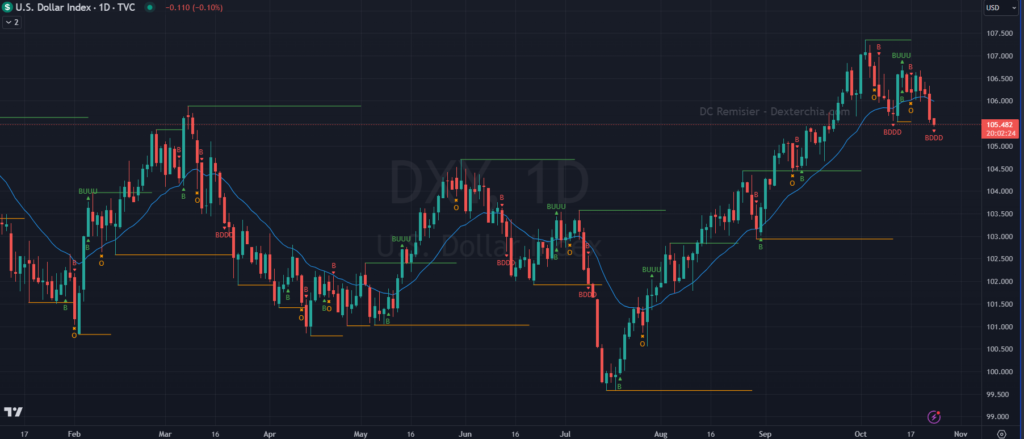
What’s Happening to Crude Prices and Bursa Malaysia?
Brent crude futures for October delivery have climbed back to nearly US$90 a barrel — a sharp reversal from just one week ago when prices dipped below US$80. This 12.5% swing in a single week underscores the volatility plaguing global energy markets.
The culprit? No clear path to de-escalation in the Strait of Hormuz, according to Apex Securities. Ongoing Middle East tensions are pushing investors toward the exit on Bursa Malaysia, with selling pressure building across multiple sectors.
The FBM KLCI opened 1.33 points lower at 1,731.47 on Wednesday, signalling weak sentiment to start the trading day. This isn’t a massive drop in percentage terms (0.08%), but it reflects broader caution gripping the market.
Which Stocks Are Affected?
IHH Healthcare led the losses, dropping seven sen to RM8.28 after posting a decline in its latest quarterly earnings. For a blue-chip healthcare play, weakness here signals investor concern about consumer spending in a rising-rate environment.
MR DIY also took a hit, shedding four sen to RM1.48, following disappointing quarterly results. The retail sector remains sensitive to economic slowdowns, and crude-driven inflation fears are adding pressure.
Semiconductor stocks bore the brunt of the selling. Pentamaster dropped six sen to RM5.54, Vitrox shed five sen to RM9.59, and MPI fell 38 sen to RM47.72. Tech-heavy portfolios are particularly vulnerable when risk sentiment sours and crude prices spike — a potent combination this week.
Among actives, Top Glove rose three sen to 69 sen, suggesting some defensive buying in the glove space. NexG gained 0.5 sen to 28.5 sen, while Ptrans remained flat at 24 sen.
Why Should You Care About Crude Prices and Interest Rates?
Higher crude oil typically flows through to two places: your wallet and the central bank’s reaction. Apex Securities flagged the growing risk of higher interest rates as a second-order effect of sustained crude strength.
For retail investors on Bursa Malaysia, this matters because rising rates hit dividend yields, make bond alternatives more attractive, and slow earnings growth for leveraged companies. EPF contributors should note that fund performance may cool if equities remain under pressure.
Tonight’s US Consumer Price Index (CPI) release for January and Thursday’s US Producer Price Index (PPI) are critical to watch. These inflation readings could determine whether crude strength is temporary or the start of a longer cycle. If US inflation data surprises to the upside, expect further selling pressure on emerging market equities including Bursa.
The US is the world’s largest economy, and its inflation trajectory directly influences global policy and capital flows. Malaysian investors exposed to currency-sensitive stocks should monitor this closely.
What Does This Mean for Range-Bound Trading?
Apex Securities expects “cautious sentiment and range-bound trading” as investors await clarity on the Hormuz situation. Translation: Don’t expect sharp directional moves in either direction until geopolitical tensions resolve.
Range-bound markets can actually be opportunities for patient traders. Stock-by-stock picking becomes more important than broad sector bets. This is where AI stock analysis for Malaysian investors can help identify pockets of strength while the index treads water.
Which Sectors to Monitor on Bursa?
Energy and oil-related plays may stabilize if crude holds above US$88-90. Integrated oil producers and petroleum service companies have natural hedges when crude strengthens.
Consumer discretionary and retail stocks like MR DIY remain at risk if crude-driven inflation persists and erodes household purchasing power. Watch for quarterly earnings guidance over the next few weeks.
Semiconductors and tech stocks are worth monitoring for capitulation signals. If Pentamaster, Vitrox, and MPI continue sliding below key support levels, it could indicate institutional weakness rather than just sentiment swings.
Defensive plays — utilities, telecoms, and healthcare — may see rotation inflows if crude and inflation fears accelerate. However, IHH Healthcare’s earnings miss shows that even defensive sectors aren’t immune to fundamental disappointments.
What Should Retail Investors Watch Right Now?
Track the US inflation data releases tonight (CPI) and Thursday (PPI). These are the next major catalysts that could either confirm or reverse the crude-driven sell-off on Bursa.
Monitor crude oil futures closely. If Brent crude breaks above US$92 and sustains that level, expect fresh selling pressure. If it falls back below US$85, it may signal easing Middle East tensions and relief for equities.
Watch for earnings disappointments in cyclical stocks. MR DIY’s earnings decline suggests that Q4 2024 / Q1 2025 results could be softer than expected across consumer-exposed names.
Check your portfolio’s crude oil sensitivity. Semiconductors, retail, and industrials are sectors that tend to experience volatility with oil price movements. Dividend stocks and defensive plays have historically offered different risk profiles.
Key Takeaways for Bursa Investors
- Brent crude is back near US$90 a barrel due to unresolved Middle East tensions, creating headwinds for equities on Bursa Malaysia.
- The FBM KLCI opened 1.33 points lower at 1,731.47, with IHH Healthcare (down 7 sen to RM8.28) and MR DIY (down 4 sen to RM1.48) leading losses after earnings disappointments.
- Semiconductor stocks fell sharply: Pentamaster -6 sen to RM5.54, Vitrox -5 sen to RM9.59, MPI -38 sen to RM47.72.
- Apex Securities predicts range-bound trading until geopolitical clarity emerges, with US inflation data (CPI tonight, PPI Thursday) as critical near-term drivers.
- Rising crude often leads to higher interest rates, which pressure dividend yields and earnings growth — watch your EPF fund performance if equities remain under pressure.
Final Thought: Patience Through Volatility
Volatile crude markets and geopolitical uncertainty typically create two types of investors: those who panic-sell and lock in losses, and those who use range-bound periods to accumulate quality stocks at reasonable prices.
If you’re holding solid dividend payers or growth stocks for the long term, short-term crude-driven swings shouldn’t derail your strategy. However, if your portfolio is heavily weighted to energy-intensive, cyclical, or import-dependent stocks, now is the time to review your allocation.
Stay tuned to US inflation releases over the next 48 hours. They’ll likely determine whether Bursa Malaysia’s current weakness is a brief correction or the start of a deeper downtrend. In the meantime, track crude oil prices, monitor earnings reports, and prepare for range-bound trading rather than chasing directional bets.
Always conduct your own research and consult a financial advisor before making trading or investment decisions. This article is for informational purposes only and does not constitute investment advice.
Source: View Original Article — The content is based on the original publisher. Refer to the original content for accurate info. Contact us for any changes.
Related Resources from Dexter Chia
Disclaimer: This article is for informational purposes only and does not constitute financial advice. Always do your own research before making investment decisions.
Want to invest in Bursa Malaysia or US markets? Contact Dexter Chia, an AI Driven Remisier who has 2,200+ clients at Malacca Securities Sdn Bhd (M+ Global). M+ Global Invitation Code: UBZQ | WhatsApp: +60169059789 | Why Choose Dexter?