The new US AI chip curbs could slow the Malaysia data centre build-out, but CGS International does not expect a structural derailment. The research house calls the rules a speed bump for data centre (DC) spending across Asean. Tenaga Nasional Bhd (KL:TENAGA) sits at the centre of the exposure.
What Do the US AI Chip Curbs Mean for Malaysia Data Centre Demand?

The trigger is the US Bureau of Industry and Security export controls, effective Nov 19, 2026. CGS International says Malaysia’s energy, water and undersea cable capacities remain the key draws for DC investments.
The research house expects these advantages to support demand growth over the next three to five years. Its near-term concern is timing, not the long-run pipeline.
How Much of TNB’s 8.4GW Data Centre Pipeline Is Exposed?
TNB has signed 8.4GW of DC electricity supply agreements, as at June 2026. The breakdown matters for who carries the US rule risk:
- About 30% is linked to US-headquartered companies.
- The bulk of the remainder is contracted by Singapore- and Malaysia-headquartered entities.
Disclosures on ultimate end-users are less clear. CGS International does not discount some indirect exposure to Chinese demand.
Across the companies CGS International covers, AI DCs make up less than 10% of about 1.3GW of installed capacity. That small share limits the direct hit from the rules.

What Are the Two New US Licensing Requirements?
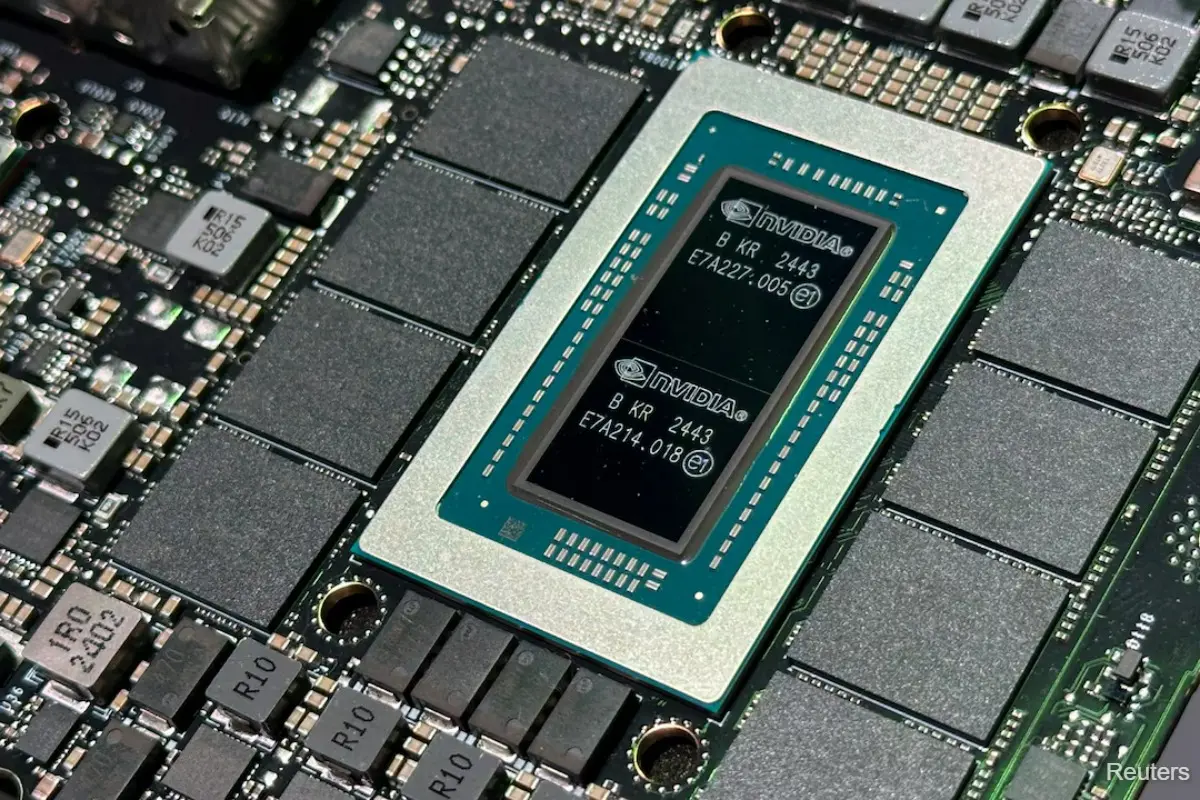
The first requirement is a destination-based licence for exports, re-exports or in-country transfers of advanced chips and servers to Singapore, Malaysia, Thailand and Indonesia. US-headquartered companies and subsidiaries of US-headquartered parents are exempt, subject to reporting obligations.
The second is a global end-use licence for chips and servers used to provide computing capacity above 12 million aggregate total processing performance (TPP) to designated entities. Existing data centres providing such services have 90 days to obtain the necessary authorisation. Designated entities include Chinese companies.
Which Data Centre Projects Face Higher Execution Risk?
CGS International says the conditional exclusion should favour US hyperscalers. China-facing AI projects and independent graphics processing unit (GPU)-cloud operators face higher execution risks.
US hyperscaler relationships and contracted demand should cushion near-term earnings, the firm said. That cushion is why Malaysia’s exposure to US-linked contracts is the number to track.
What Is the Near-Term Hit to TNB and Asean Growth?
CGS International expects the near-term impact on Asean to come mainly through slower AI-related capex and foreign direct investment into 2027. The reason is simple: investors await licensing clarity.
The firm sees limited downside to Asean gross domestic product growth. The source does not give TNB’s earnings, dividend or valuation against peers, so those figures need checking in its latest filings.
Worth monitoring are the licensing timeline, the 90-day window for existing data centres, and any further TNB disclosure on end-users. For broader screening of Bursa names, see AI Stock Analysis for Malaysians.
Key Takeaways
- CGS International calls the US rules a speed bump, not a structural derailment, for Asean data centre spending.
- About 30% of TNB’s 8.4GW supply agreements, as at June 2026, are linked to US-headquartered companies.
- The destination-based licence and global end-use licence take effect under the Nov 19, 2026 rules, with existing data centres given 90 days.
- China-facing AI projects and independent GPU-cloud operators face higher execution risks.
Frequently Asked Questions
Will US AI chip curbs affect Malaysia data centres?
CGS International sees the curbs as a speed bump, not a structural derailment, with potential delays. The near-term impact is expected mainly through slower AI-related capex and foreign direct investment into 2027.
How much of TNB’s data centre supply is linked to US companies?
About 30% of the 8.4GW of DC electricity supply agreements signed with Tenaga Nasional Bhd as at June 2026 is linked to US-headquartered companies. The bulk of the remainder is contracted by Singapore- and Malaysia-headquartered entities.
When do the US export controls on Malaysia take effect?
The US Bureau of Industry and Security’s new export controls are effective Nov 19, 2026. Existing data centres providing computing capacity above 12 million aggregate TPP have 90 days to obtain authorisation.
Are US-headquartered companies exempt from the Malaysia chip licence?
US-headquartered companies and subsidiaries of US-headquartered parents are exempt from the destination-based licence, subject to reporting obligations. CGS International says this conditional exclusion should favour US hyperscalers.
This article is for information only and does not constitute investment advice. Always do your own research before making any decision on Bursa Malaysia stocks.
Source: View Original Article — The content is based on the original publisher. Refer to the original content for accurate info. Contact us for any changes.
Related Articles & Resources
Disclaimer: This article is for informational purposes only and does not constitute financial advice. Always do your own research before making investment decisions.
Want to invest in Bursa Malaysia or US markets? Contact Dexter Chia, an AI Driven Remisier who has 2,300+ clients at Malacca Securities Sdn Bhd (M+ Global). M+ Global Invitation Code: UBZQ | WhatsApp: +60169059789 | Why Choose Dexter?