What Is Parkland and Why Is This IPO Important?
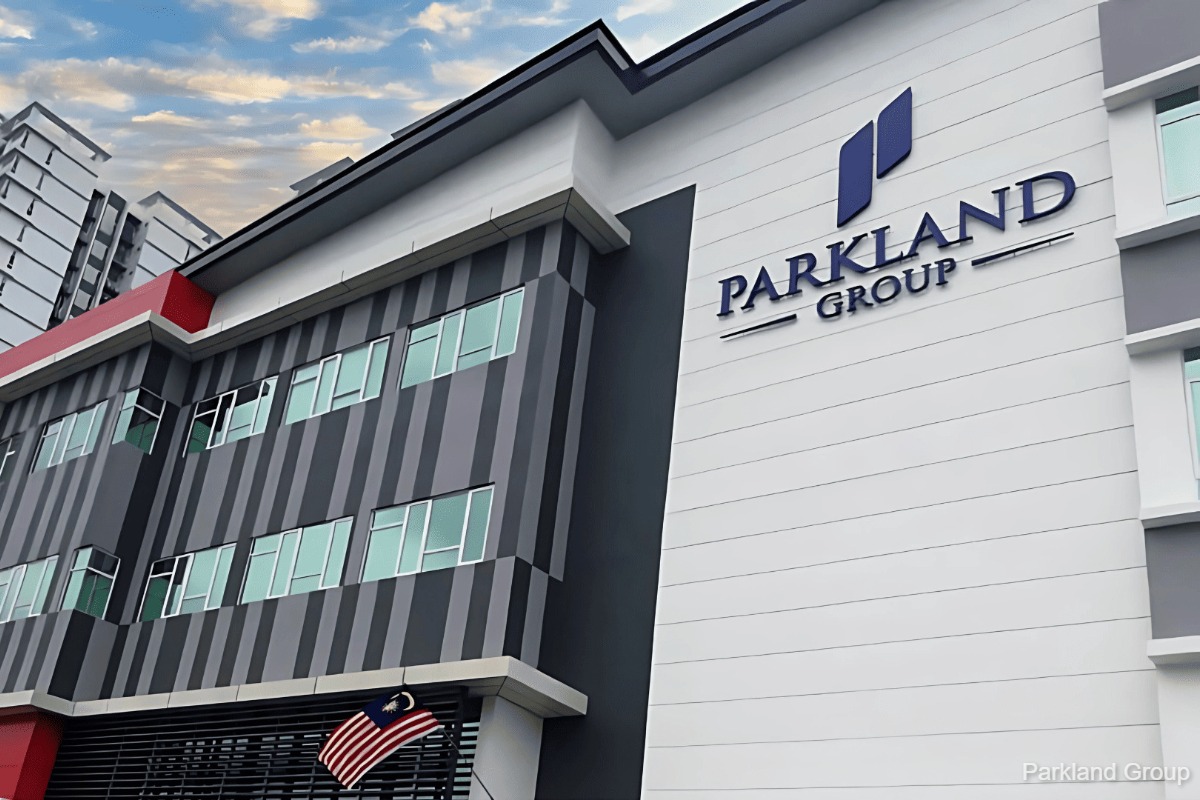
Parkland Bhd has officially filed for a Main Market IPO on Bursa Malaysia, marking the company’s entry into Malaysia’s top-tier equity exchange. Founded by industry veteran Datuk Tan See Sen, the Melaka-based developer currently operates nine active projects across six townships and three residential developments.
The company’s current property portfolio spans 779 acres of land with a combined gross development value (GDV) of RM5.9 billion — a substantial pipeline that positions Parkland among mid-tier developers in Malaysia. Hong Leong Investment Bank has been appointed as the IPO’s principal adviser, placement agent, and underwriter.
Parkland IPO: Use of Proceeds and Strategic Land Acquisition
A significant portion of the IPO proceeds will fund Parkland’s RM219.5 million commitment to Cahaya Bumimas Sdn Bhd under a joint venture agreement. The deal grants Parkland development rights to a 248-acre commercial and industrial hub in Johor — a strategic expansion into the southern economic corridor.
Cahaya Bumimas is entitled to receive the RM219.5 million in scheduled instalments, and IPO proceeds will cover these payments as they fall due. This structured arrangement ties IPO fundraising directly to a defined acquisition, reducing execution risk for investors.
Beyond the Johor project, Parkland plans to deploy remaining proceeds toward land acquisition across Peninsular Malaysia. However, the company has explicitly stated it has not yet identified specific land parcels or initiated acquisition talks with any party — meaning this portion remains exploratory at IPO stage.
Working capital financing will consume a third major allocation, with close to RM1.2 billion earmarked for planned and ongoing development projects. This capital requirement underscores the heavy investment cycle typical of property developers.
Financial Performance: RM746M Revenue, RM172M Net Profit
Parkland delivered RM746 million in revenue and RM172 million in net profit during the 12 months ended June 2025 — the company’s latest reported full-year financials. This implies a net profit margin of approximately 23%, which is respectable for a developer with an integrated in-house construction arm.
The company’s integrated vertical integration — owning and operating its own construction division — provides cost control and faster project delivery compared to outsourced models. This operational structure can improve project profitability but also exposes Parkland to labour and materials cost volatility.
Revenue generation of RM746 million against nine active projects suggests an average revenue per project of around RM83 million annually. This baseline helps retail investors assess whether future projects will maintain or exceed current per-project productivity.
Project Pipeline: Nine Active Developments Across 779 Acres
Parkland’s nine ongoing projects break down as six township developments and three residential schemes. These projects collectively cover 779 acres — substantially larger than many boutique developers but smaller than Tier-1 operators like Sunway, SP Setia, or Mah Sing.
The RM5.9 billion combined GDV across these nine projects provides a multi-year revenue runway, assuming staged completion and sales velocity. Property developers typically recognize revenue as units are completed and handed over, so this GDV pipeline should translate into 3–5 years of material revenue recognition.
Geographic diversification within Peninsular Malaysia reduces Parkland’s exposure to single-state market cycles, though concentration in Melaka and adjacent regions may limit upside from Klang Valley’s stronger demand dynamics.
Shareholder Structure and Offer for Sale Component
An accompanying offer for sale (OFS) will run alongside the primary IPO. This OFS will accrue entirely to Excel Venture Capital Sdn Bhd, a private vehicle representing nearly two dozen existing shareholders including founder Datuk Tan See Sen (managing director).
The dual structure — primary IPO issue plus OFS from existing holders — is standard for founder-led Malaysian companies seeking liquidity for early investors while injecting capital for corporate expansion. Investors should note that OFS proceeds do not reach Parkland’s balance sheet; they benefit only the selling shareholders.
The participation of multiple shareholders (24+) through Excel Venture Capital suggests Parkland has operated with syndicated ownership, likely representing angel investors, strategic partners, or a combination thereof prior to IPO.
IPO Timeline and Listing Details
Parkland has filed its draft prospectus with Bursa Malaysia as of July 2025. As with all Main Market IPOs, the exchange will conduct a review period of typically 2–3 months before approving the final prospectus and setting exact offer details.
Key IPO parameters investors will watch for include: offer price per share (currently unknown), total number of shares to be issued, subscription period dates, and the tentative listing date — all of which will be disclosed once the prospectus is approved.
Main Market listing brings stricter governance requirements, quarterly financial reporting obligations, and continuous disclosure rules compared to ACE Market — positioning Parkland among more regulated and transparent listed entities.
How to Apply for Parkland IPO Shares
When Parkland’s final prospectus is released and the subscription period opens, retail investors in Malaysia can apply via authorised stockbroking platforms. For seamless application and support, consider using M+ Global with Invitation Code UBZQ, which offers integrated IPO application features.
M+ Global users can apply directly through the app during the public subscription period. For additional assistance, contact the WhatsApp line at +60169059789. Having a trading account ready before the subscription period opens ensures you don’t miss allocation deadlines.
Retail investors should review the final prospectus carefully — including risk factors, use of proceeds breakdown, and management track record — before committing capital. AI-driven stock analysis tools can help screen financial metrics once detailed IPO documents are published.
Valuation Context: Where Does Parkland Stand?
With RM172 million net profit and assuming a typical IPO multiple in the 12–15x P/E range for mid-cap Malaysian developers, Parkland’s implied market capitalisation at listing could range from RM2.1–2.6 billion — though actual pricing depends on market demand and sector sentiment at the time of IPO.
For comparison, established developers trade at varying multiples based on growth, profitability, and balance sheet strength. Investors will want to benchmark Parkland’s offer price against peers’ current valuations once the prospectus is finalised.
Key valuation metrics to monitor post-IPO include price-to-earnings (P/E) ratio, price-to-book (P/B) ratio, dividend yield expectations, and forward earnings growth based on the GDV pipeline timeline.
Risks and Considerations for Investors
Execution risk: Parkland must successfully develop the 248-acre Johor land and complete its nine active projects. Any delays or cost overruns could pressure profitability and cash flow.
Property cycle sensitivity: Malaysian property markets are cyclical. A downturn in demand or oversupply in Melaka or Johor could constrain sales velocity and GDV realization.
Interest rate exposure: If Bank Negara Malaysia keeps rates elevated or extends tightening, buyer financing costs rise, potentially reducing property demand and buyer affordability.
Land acquisition uncertainty: Parkland has not yet identified specific land for expansion beyond the Johor deal. This creates execution uncertainty around timing and capital deployment for the “acquisition of land within Peninsular Malaysia” stated in the prospectus.
Reliance on founder: Datuk Tan See Sen’s departure or health issues could impact strategic direction and operational continuity, particularly if succession planning is underdeveloped.
Sector Context: Where Parkland Fits on Bursa Malaysia
Parkland enters Bursa Malaysia’s property and real estate sector at a time when major developers are consolidating and yield-hunting investors are scrutinizing balance sheets. The property sector on Bursa includes mega-caps like Sunway Berhad and SP Setia, mid-caps like Mah Sing and Gamuda Land, and smaller regional operators.
Parkland’s RM5.9 billion GDV and RM172 million profit place it squarely in the mid-tier operator category — a sweet spot for growth investors seeking exposure to property development without the volatility of smaller speculative plays.
The company’s focus on Melaka and Johor reflects demand for affordable and mid-range residential units outside Klang Valley, a demographic and geographic trend that could support sustained demand if executed well.
Key Takeaways for Retail Investors
- Parkland files for Main Market IPO to raise capital for RM219.5 million Johor land acquisition and RM1.2 billion in planned development costs.
- Financial strength: RM746 million revenue and RM172 million net profit (12 months to June 2025) demonstrate solid profitability with ~23% net margin.
- Project pipeline: Nine active projects spanning 779 acres and RM5.9 billion GDV provide multi-year revenue visibility.
- Dual-track offering: Primary IPO issue plus offer for sale from 24+ existing shareholders via Excel Venture Capital Sdn Bhd.
- Timing uncertainty: Final prospectus and subscription dates will be announced post-regulatory approval; typically 2–3 months from filing.
- Risk watch: Property cycle sensitivity, execution risk on large pipeline, and unidentified expansion land are key monitoring points.
Next Steps: Monitoring the IPO Journey
Retail investors should bookmark Bursa Malaysia’s announcements page and Hong Leong Investment Bank’s IPO schedule for Parkland updates. Once the final prospectus is released, download it immediately and review sections on: use of proceeds, property location maps, pre-sales and sales performance, debt levels, and management biographies.
Comparing Parkland’s offer price (when announced) against peer multiples and the broader property sector sentiment will help you decide whether the IPO represents fair value at listing. Remember, IPO popularity does not equal investment merit — focus on fundamentals, growth trajectory, and balance sheet strength.
For those new to IPO investing, learn IPO investing fundamentals and familiarize yourself with Malaysian trading account types before the subscription period opens.
Disclaimer: This article is for informational purposes only and does not constitute investment advice. Always conduct your own due diligence, consult a licensed financial adviser, and review the official prospectus before making any investment decision. Past financial performance does not guarantee future results. Property markets are cyclical and subject to regulatory, economic, and demand fluctuations.
Source: View Original Article — The content is based on the original publisher. Refer to the original content for accurate info. Contact us for any changes.
Related Resources from Dexter Chia
Disclaimer: This article is for informational purposes only and does not constitute financial advice. Always do your own research before making investment decisions.
Want to invest in Bursa Malaysia or US markets? Contact Dexter Chia, an AI Driven Remisier who has 2,200+ clients at Malacca Securities Sdn Bhd (M+ Online / M+ Global). M+ Global Invitation Code: UBZQ | WhatsApp: +60169059789 | Why Choose Dexter?