What Does SpaceX IPO Mean for Tesla Investors?
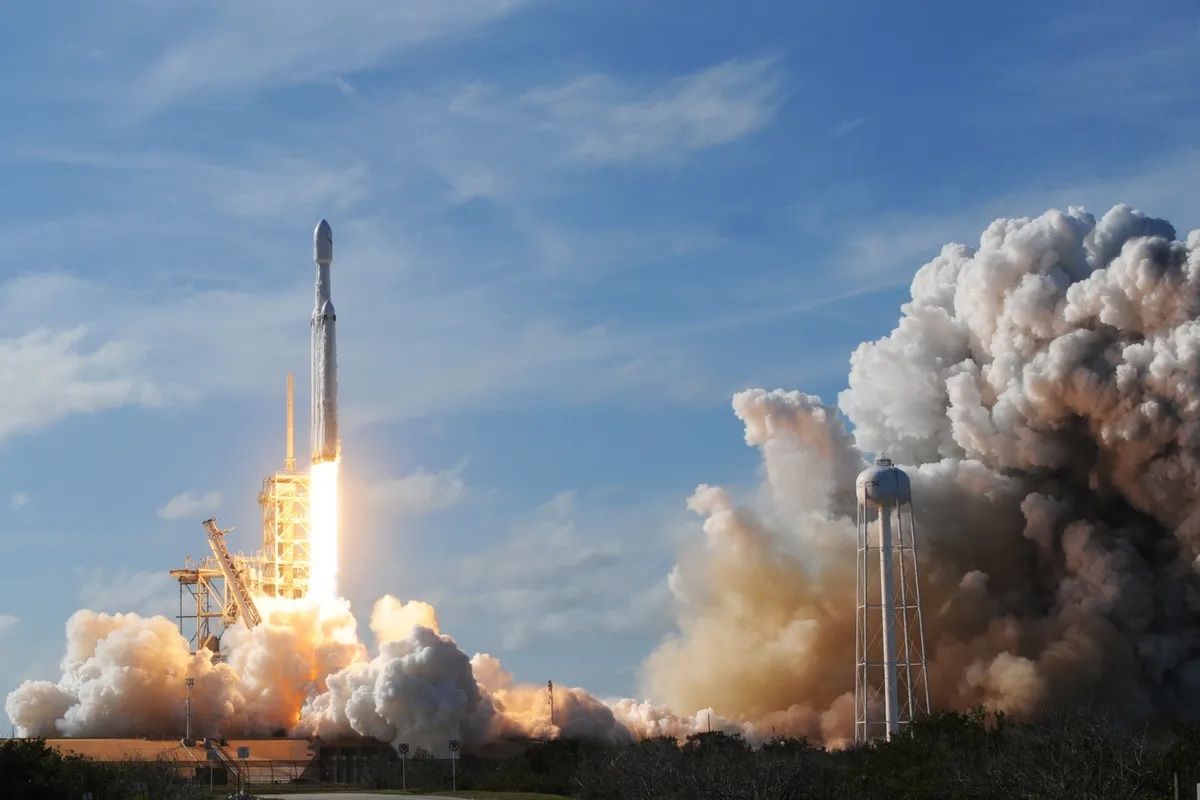
For decades, retail investors betting on Elon Musk’s vision had only one listed option: Tesla Inc. That monopoly ends with SpaceX’s imminent IPO, and Wall Street sees this as a material headwind for the EV maker.
Joe Gilbert, portfolio manager at Integrity Asset Management, doesn’t mince words: “This cannot be a positive for Tesla.” His concern centres on Musk’s focus shifting predominantly to SpaceX, which he describes as “his new baby at the expense of Tesla.”
Tesla’s current positioning makes this timing particularly risky. The stock is down 8.9% year-to-date after soaring 265% from January 2023 to December 2025, yet still trades at approximately 195 times forward earnings—the second-most expensive valuation in the S&P 500 Index.
That eye-watering multiple reflects investor belief that Tesla will transform into an autonomous vehicle, robotics, and EV conglomerate. But the arrival of a shinier Musk alternative could puncture this narrative.
The Musk Capital Problem: Which Stock Gets the Attention?
Musk has already proven he can juggle multiple ventures simultaneously. Yet industry watchers suggest SpaceX represents a different category of ambition—one that increasingly competes for his bandwidth with Tesla.
Notably, Musk has reportedly considered merging Tesla and SpaceX to align their trajectories. This alone signals underlying tension between the two entities and Musk’s strategic priorities.
SpaceX stands apart from Tesla’s competitive landscape in critical ways:
• **Market position**: SpaceX holds clear dominance in commercial spaceflight with no true competitors
• **Growth trajectory**: Analyst Gilbert expects “astronomical valuation,” with some forecasts placing SpaceX market cap potentially above Tesla’s eventual level
• **Business distinctiveness**: Unlike Tesla’s crowded EV, robotaxi, and robotics markets, SpaceX operates in a category largely unto itself
Tesla’s competitive moat, by contrast, faces pressure from multiple directions. Chinese EV manufacturers challenge its global market share, traditional automakers enter the space, Alphabet Inc’s Waymo robotaxis already operate commercially, and numerous tech firms develop humanoid robots.
Tesla’s market capitalisation of US$1.5 trillion still dwarfs rivals—the combined value of Rivian Automotive Inc, Uber Technologies Inc, and Boston Scientific Corp totals roughly US$250 billion. Yet that dominance masks weakening fundamentals: slowing sales growth and a holding pattern valuation environment.
Why Retail Investors Matter in the Musk Ecosystem
Retail investor enthusiasm has been the engine behind Musk-linked valuations. Tesla’s stock price has always functioned as a proxy bet on Musk’s vision rather than pure financial performance. That’s why SpaceX’s arrival poses an existential threat to Tesla’s investor narrative.
Retail investors—ordinary Malaysians holding accounts on Bursa Malaysia or through international brokers—will now face a choice: diversify Musk exposure across two public vehicles, or concentrate bets on the perceived “new baby.”
Gilbert notes that even Musk’s traditional retail fan base shows signs of enthusiasm fatigue. This matters enormously because Tesla’s premium valuation depends almost entirely on belief in Musk’s vision, not earnings power.
What Should Retail Investors Watch?
**Tesla’s quarterly guidance and guidance commentary** become critical metrics. Watch for management signalling any strategic shifts toward autonomous vehicles or robotics—areas where SpaceX might indirectly compete for engineering talent and capital allocation.
**SpaceX’s IPO valuation** will set investor expectations. If it prices above consensus, it validates Musk’s ability to command premium valuations, which could paradoxically help Tesla. If it prices conservatively, it suggests the retail Musk-bet is cooling.
**Musk’s public statements** on both companies deserve closer scrutiny. Any commentary suggesting SpaceX takes strategic priority over Tesla should be monitored by existing Tesla shareholders.
For Malaysian retail investors with exposure through international trading accounts, the risk factor is straightforward: capital reallocation away from Tesla toward SpaceX could create downward pressure on Tesla’s already-lofty valuation multiple.
The Valuation Question: Can Both Thrive?
Any Musk company embeds what Gilbert calls “a call option in its valuation for vision.” SpaceX’s distinct market position—clear leadership, boundless growth potential, zero true competitors—means it may arrive with a valuation floor that investors find compelling.
That attractiveness creates a zero-sum dynamic for retail capital. The US$1.5 trillion Tesla commands won’t suddenly evaporate, but new capital flows could shift toward SpaceX at Tesla’s expense.
Tesla appears to be in a holding pattern or slight decline depending on perspective. Slowing sales growth, withering fundamentals, and competitive pressure in three separate markets (EVs, robotaxis, robotics) give potential SpaceX investors legitimate reason to diversify.
Yet Tesla’s sheer market dominance—still the world’s most valuable automaker by far—means any SpaceX IPO success doesn’t automatically doom Tesla shareholders. Rather, it removes the comfortable narrative that Musk-focused investors have only one public option.
Key Takeaways for Portfolio Review
• **Capital competition is real**: SpaceX IPO creates direct competition for retail investor capital historically concentrated in Tesla
• **Valuation vulnerability**: Tesla’s 195x forward earnings multiple depends entirely on vision narrative; SpaceX arrival threatens that exclusivity
• **Musk bandwidth concerns**: Analysts explicitly question whether Musk can prioritize Tesla amid SpaceX growth—reported merger discussions suggest internal tension
• **Monitor guidance signals**: Watch Tesla’s quarterly earnings calls for any commentary suggesting reduced autonomous vehicle or robotics investment
• **SpaceX’s IPO price matters**: If SpaceX prices aggressively, it validates premium Musk valuations; if not, it may signal cooling retail enthusiasm for his ventures
Retail investors in Malaysia holding Tesla exposure through overseas brokers or considering SpaceX IPO participation should carefully assess their risk tolerance. Consider consulting AI Stock Analysis tools for Malaysian investors to stress-test your portfolio assumptions around Musk-linked valuations.
For those seeking exposure to technology and innovation trends without concentrated single-founder risk, diversified sector ETFs or balanced trading account strategies may warrant review.
The SpaceX IPO represents a genuine inflection point in how retail investors access Musk’s ambitions. Whether that helps or hurts Tesla shareholders depends entirely on which vision captures investor imagination—and whether Musk’s bandwidth proves sufficient for both.
Always conduct your own research before making investment decisions. Past performance of Musk-linked companies does not guarantee future results, and IPO participation carries distinct risks separate from established public companies.
Source: View Original Article — The content is based on the original publisher. Refer to the original content for accurate info. Contact us for any changes.
Related Resources from Dexter Chia
Disclaimer: This article is for informational purposes only and does not constitute financial advice. Always do your own research before making investment decisions.
Want to invest in Bursa Malaysia or US markets? Contact Dexter Chia, an AI Driven Remisier who has 2,200+ clients at Malacca Securities Sdn Bhd (M+ Online / M+ Global). M+ Global Invitation Code: UBZQ | WhatsApp: +60169059789 | Why Choose Dexter?